
You can manage seasonal allergies naturally without prescription medications by combining local honey, quercetin-rich foods, nasal rinses, and strategic timing for your outdoor activities. This approach typically reduces symptoms within two to four weeks and works best when you start before peak pollen season hits Chesterfield’s trails and meadows.
The method relies on three core principles: reducing your body’s inflammatory response through nutrition, physically clearing allergens from your system, and minimizing exposure during high-pollen hours. Unlike antihistamines that can leave you drowsy on the trail, natural remedies support your immune system while keeping your energy levels steady for those sunrise hikes up Pisgah State Park.
Local outdoor enthusiasts face a specific challenge here in Chesterfield. Our beautiful spring wildflowers and summer grasses create stunning scenery but trigger allergic reactions for nearly 30 percent of adults. The good news? You don’t have to choose between medication side effects and staying indoors.
Sarah Chen, an herbalist and longtime Chesterfield resident, points out that timing matters as much as treatment. “I tell my clients to consume local honey starting in February, months before tree pollen peaks in April. Your body needs time to build tolerance.” She recommends sourcing raw honey from Chesterfield Farmers’ Market vendors who keep bees within a ten-mile radius of your home.
This guide walks you through the specific natural remedies that work, the supplies you’ll need, safety considerations for each approach, and a step-by-step plan you can start today. You’ll also learn how to track your progress and adjust your routine based on daily pollen counts and your outdoor schedule.
What You’ll Need: Natural Remedies and Tools
Before you tackle seasonal allergies naturally, gather these straightforward remedies and tools. Most are already sitting on your kitchen shelf or available within a few miles of Chesterfield.
Core Natural Remedies
- Raw local honey from Chesterfield-area beekeepers (start with one tablespoon daily)
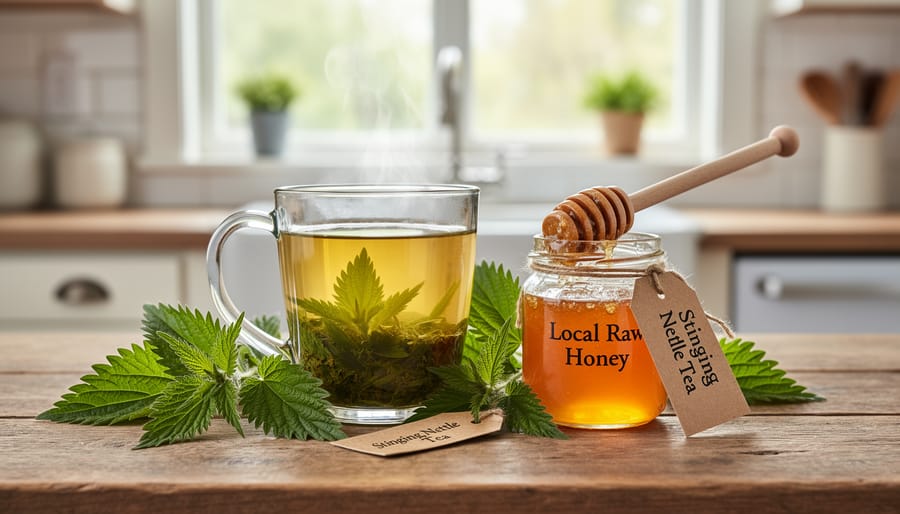
- Stinging nettle tea or freeze-dried nettle capsules (500mg, three times daily)
- Quercetin supplements (500-1000mg daily) or quercetin-rich foods like apples, red onions, blueberries, and cherries
- Saline solution or distilled water for nasal rinsing
- Neti pot or squeeze bottle designed for nasal irrigation
- Herbal teas including peppermint and ginger for soothing respiratory passages
- Essential oils such as eucalyptus and peppermint for steam inhalation
The foundation of your natural allergy toolkit starts with truly local honey. Visit the Chesterfield Farmers’ Market on summer weekends to meet beekeepers who harvest within a ten-mile radius. The closer the source, the better the pollen match. Many vendors also sell at nearby Keene markets if you miss the Chesterfield schedule.
For nettle and quercetin supplements, check Hannah Grimes Marketplace in Keene or Natural Provisions in Brattleboro. Both stock quality brands and can special-order what they don’t carry. Fresh produce for quercetin comes straight from Chesterfield farm stands during growing season.
Optional but Helpful Items
Consider adding a HEPA air purifier for your bedroom, hypoallergenic pillow covers, and a second set of outdoor clothes you change into before hikes. These create a clean base camp between adventures. Look for air purifiers at Target in Keene or order online if local options run thin.
Keep everything organized in one spot so your morning routine stays simple. A bathroom basket or kitchen shelf works perfectly for daily honey, supplements, and your neti pot.
Important Safety Considerations and When to Seek Help
Natural treatments can be powerful allies against seasonal allergies, but they’re not without risks or limitations. Before you stock up on honey and herbal teas, let’s talk about when these remedies aren’t the right choice and what safety precautions you need to know.
Natural doesn’t always mean harmless. Stinging nettle, quercetin, and butterbur can interact with blood thinners, blood pressure medications, and sedatives. If you’re taking any prescription drugs, talk with your doctor or pharmacist before adding herbal supplements to your routine. This conversation matters more than you might think.
Neti pots and nasal rinses work wonders when used correctly, but improper technique can lead to serious infections. Always use distilled, sterile, or previously boiled water, never tap water straight from the faucet. Clean your neti pot thoroughly after each use and replace it every few months. These simple precautions prevent rare but dangerous brain infections caused by waterborne organisms.
If you’re allergic to bees, skip the local honey. While bee pollen allergies are uncommon, they can trigger reactions ranging from mild itching to severe anaphylaxis. Start with a tiny amount on your first try and wait 24 hours before consuming a full serving.
Pregnant and nursing women should consult their healthcare provider before using herbal remedies. Some herbs that are generally safe can affect pregnancy or pass into breast milk. Your doctor can help you weigh the benefits against any potential risks.
Finally, know when natural isn’t enough. If your symptoms interfere with sleep, daily activities, or work, or if you develop sinus infections, ear infections, or asthma symptoms, it’s time to see an allergist. Combining natural remedies with conventional treatments is perfectly reasonable and often the most effective approach.
Step-by-Step: Your Natural Allergy Treatment Plan
Step 1: Start Early with Local Honey
The single most important thing about using local honey for allergies is starting early, ideally 2-3 months before Chesterfield’s spring pollen season kicks off in March. This means beginning your daily honey routine in January.
Take one tablespoon of raw, unfiltered honey from local Chesterfield beekeepers each morning. You can add it to tea, spread it on toast, or eat it straight from the spoon. The theory is simple: local honey contains trace amounts of the same pollens that trigger your allergies. By exposing your immune system to these pollens in tiny doses over time, your body may build tolerance and react less severely when you’re hiking through clouds of tree pollen at Pisgah State Park.
The honey must be truly local, ideally within 50 miles of where you spend time outdoors. Check the Chesterfield Farmers’ Market for vendors selling honey from their own hives. Ask beekeepers directly where their hives are located and whether the honey is raw and unfiltered. Processing and heating destroy the beneficial pollen traces you need.
Start this step now, be consistent, and give your body time to adapt before pollen season arrives.
Step 2: Introduce Nettle and Quercetin
Once you’ve started your honey regimen, add stinging nettle and quercetin to create a stronger natural defense. Nettle works as a natural antihistamine by blocking histamine receptors and reducing inflammation in nasal passages. Start with 2-3 cups of stinging nettle tea daily, or take 300-500mg of freeze-dried nettle capsules if you prefer convenience. Begin taking nettle about 4-6 weeks before peak pollen season in Chesterfield for best results.
Quercetin is a plant compound that stabilizes mast cells, preventing them from releasing histamine in the first place. Take 500-1000mg of quercetin supplements daily, split into two doses with meals to improve absorption. Since quercetin works slowly, consistency matters more than timing. If supplements aren’t your preference, load up on quercetin-rich foods like red onions, apples with skin, berries, and kale.
Take both nettle and quercetin with food to avoid stomach upset. Many people notice reduced sneezing and congestion within 1-2 weeks, but give these remedies at least a month to build up in your system. You can continue both safely throughout allergy season and even year-round if needed.
Step 3: Practice Daily Nasal Rinsing
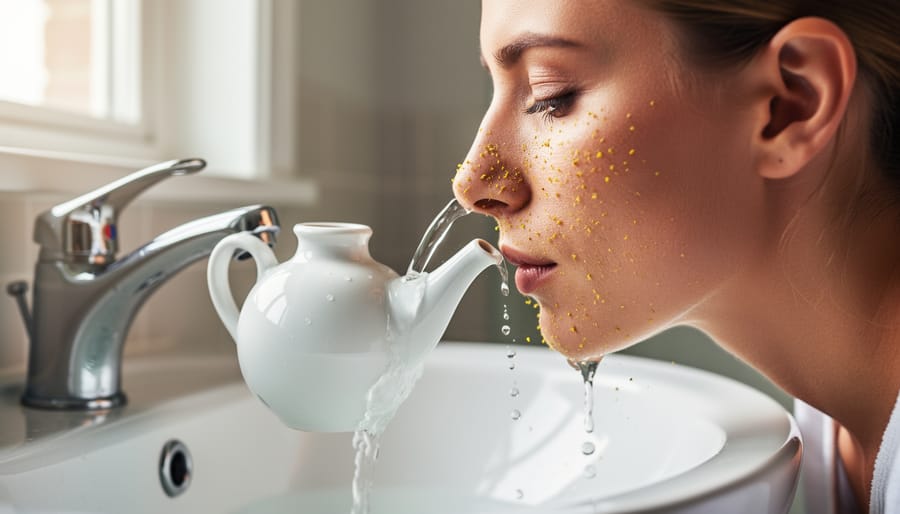
Nasal rinsing physically flushes pollen, dust, and irritants from your nasal passages before they trigger an allergic response. Make this a non-negotiable habit twice daily during allergy season, once in the morning before you head out to the trails, and again in the evening after you’ve been exposed to outdoor allergens.
Start with a neti pot or squeeze bottle and a saline solution. Mix one-quarter teaspoon of non-iodized salt and a pinch of baking soda into eight ounces of water. Here’s the critical part: neti pots require sterile water to prevent serious infections. Use distilled, sterile, or previously boiled water that’s cooled to lukewarm, never tap water straight from the faucet.
Tilt your head sideways over a sink, insert the spout into your upper nostril, and gently pour. The solution flows through your nasal cavity and exits the lower nostril. Breathe through your mouth and stay relaxed. Switch sides and repeat. After each use, rinse your neti pot with sterile water and let it air dry completely. Replace it every few months.
The first few times feel strange, but most people adapt quickly and notice clearer breathing within days.
Step 4: Time Your Outdoor Adventures Strategically
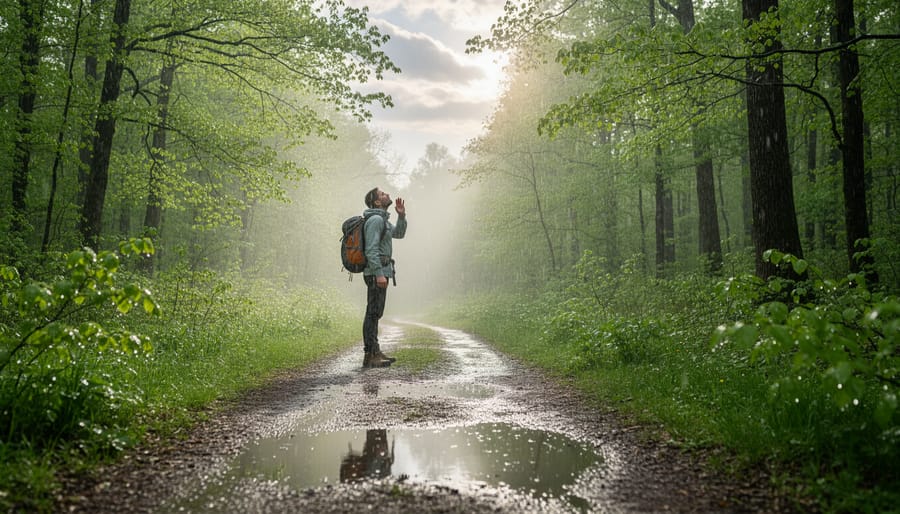
Timing matters more than you might think. Pollen counts peak between 5 and 10 a.m. on dry, windy mornings, making dawn hikes the worst choice for allergy sufferers. Instead, schedule your Chesterfield adventures for late afternoon or evening when pollen settles. Rain acts as nature’s air purifier, washing pollen from the air and plants, the few hours immediately after a shower offer the cleanest breathing conditions you’ll find outdoors.
Before heading out, check or for daily counts specific to our region. Understanding Chesterfield outdoor seasons helps you anticipate which allergens dominate when, tree pollen in April and May, grass through June and July, ragweed from August into September. Use an outdoor activity calendar alongside seasonal forecasts to plan trips during lower-pollen windows.
The post-adventure routine is equally critical. Shower immediately when you get home, washing pollen from your hair and skin. Toss your clothes straight into the wash rather than wearing them around the house. Leave boots and packs in the garage. These simple habits prevent tracking allergens into your clean home base.
Step 5: Create an Allergen-Free Home Base
Your home should be a recovery zone where your body gets a break from pollen after a day exploring Chesterfield’s trails. Close windows during high-pollen mornings (typically 5 AM to 10 AM) and run a HEPA air purifier in your bedroom and main living areas, these filters trap 99.97% of airborne allergens. Wash all bedding in hot water (at least 130°F) weekly to eliminate accumulated pollen. Create an “airlock” routine: remove shoes and outer layers immediately when entering, shower before bed to rinse pollen from hair and skin, and designate clean indoor clothes separate from your outdoor gear. Consider this home-base setup part of your spring adventure prep establishing these habits before peak allergy season means you’ll maintain the relief your natural remedies provide.
Additional Natural Remedies to Boost Your Relief
Once you’ve established your foundation with honey, nettle, and nasal rinses, several additional natural remedies can provide extra relief on high-pollen days or when symptoms break through.
Butterbur extract has shown real promise in clinical studies, acting similarly to antihistamines without the drowsiness. Look for PA-free (pyrrolizidine alkaloid-free) butterbur products labeled as Petadolex, typically taken at 50-75mg twice daily. This one’s particularly helpful if nettle alone isn’t cutting it before a long day on the trails.
Bromelainthe enzyme found in pineapple, reduces inflammation in nasal passages and sinuses. Take 400-500mg between meals (not with food, as it’ll just digest your dinner instead). Fresh pineapple contains some bromelain too, though supplements deliver higher concentrations. Many Chesterfield hikers keep bromelain capsules in their pack for mid-adventure relief.
Omega-3 fatty acids from fish oil or flaxseed oil help calm the inflammatory response that makes allergy symptoms worse. A daily dose of 1-2 grams can reduce overall inflammation, though you’ll need consistent use for several weeks to notice the difference. This works in the background while other remedies tackle immediate symptoms.
Probiotics support immune function by maintaining healthy gut bacteria, which influences how your body responds to allergens. A quality probiotic with at least 10 billion CFUs taken daily may reduce allergy severity over time, particularly strains like Lactobacillus rhamnosus.
For immediate symptom relief, steam inhalation with 3-4 drops of eucalyptus or peppermint essential oil in hot water opens congested airways within minutes. Cover your head with a towel and breathe deeply for 5-10 minutes after returning from outdoor activities.
Cold compresses over closed eyes for 10 minutes reduce itching and puffiness when pollen irritates your eyes. Follow up with preservative-free saline eye drops or an herbal eyewash made from cooled chamomile or eyebright tea to rinse away pollen particles.
How to Know If Your Natural Treatment Is Working
Tracking your progress with natural allergy treatments requires paying attention to specific markers rather than expecting overnight miracles. Start a simple symptom journal on your phone or in a notebook, rating your daily symptoms on a scale of 1-10: nasal congestion, sneezing frequency, itchy eyes, and overall discomfort. Note which days you spent time outdoors and what you were doing, whether you were working on those spring garden tips or hiking the trails around Chesterfield.
Look for these concrete signs of success: you’re sleeping through the night without waking up congested, you can complete a morning hike without constant sneezing fits, your eyes feel less irritated after being outside, or you’re reaching for antihistamines less often than before. Many people notice they can extend their outdoor time by an hour or two before symptoms kick in, which is genuine progress even if you’re not completely symptom-free.
However, certain red flags mean it’s time to consult an allergist or add conventional treatments. If you’re experiencing worsening breathing difficulties, symptoms that interfere with sleep or daily activities despite consistent natural treatment, frequent sinus infections, or no improvement whatsoever after four weeks of diligent effort, don’t tough it out. Natural approaches work well for mild to moderate allergies, but severe cases often need the stronger intervention of prescription medications or immunotherapy to keep you safely enjoying the outdoors.
Local Chesterfield Resources and Expert Insights
Finding the right natural allergy resources makes implementing your treatment plan much easier, especially when you can tap into local Chesterfield knowledge and products.
The Chesterfield Farmers’ Market, held seasonally at the town center, connects you directly with local beekeepers who harvest honey from hives throughout the Monadnock region. These producers can tell you exactly where their bees forage, helping you choose honey with the most relevant local pollen exposure. Many vendors also carry bee pollen granules and propolis products. Stop by early in the season to establish relationships and ensure you get truly local honey rather than blended commercial varieties.
For herbs, supplements, and natural remedies, drive to nearby Keene where health food stores stock freeze-dried nettle, quercetin supplements, and quality essential oils. Staff members often have personal experience with natural allergy management and can recommend specific brands that work well for the region’s particular allergen profile.
Local hiking groups and camping enthusiasts at Pisgah State Park offer invaluable insider knowledge about timing your adventures around pollen seasons. Tree pollen hits hardest in April and May, making late-day hikes your best bet during spring. Grass pollen peaks in June and early July, while ragweed dominates late August through September. Experienced outdoor lovers recommend checking the morning forecast and planning trail time for after 4 PM when pollen counts drop naturally.
After rain showers, pollen gets temporarily washed from the air, creating ideal windows for longer hikes and camping trips. Many locals schedule their backcountry adventures around weather patterns, heading out immediately after storms pass. This simple timing strategy lets you enjoy Chesterfield’s trails without abandoning your natural allergy approach.
Common Questions About Natural Allergy Treatment
How long before natural remedies start working?
Most people notice improvements within 2-4 weeks of consistent use, though local honey works best when started 2-3 months before allergy season. Nasal rinses can provide immediate relief after each use, while herbal antihistamines like nettle typically take 1-2 weeks to build up in your system.
Can I combine natural treatments with prescription medications?
Yes, most natural remedies can safely complement prescription allergy medications, but always consult your doctor first. Some supplements like butterbur may interact with certain medications, and you might be able to reduce prescription doses as natural treatments take effect.
Is local honey really effective or just a myth?
The science is mixed, but many allergy sufferers swear by it. The theory is that trace amounts of local pollen in honey gradually desensitize your immune system, similar to how allergy shots work. Even if the mechanism isn’t fully proven, raw local honey offers other health benefits and won’t hurt to try.
Which natural remedy works fastest?
Saline nasal rinses provide the quickest relief because they physically flush out pollen and irritants immediately. For rapid symptom reduction, a neti pot used morning and evening beats waiting for supplements to build up in your system.
Can children use these natural treatments?
Most natural remedies are safe for kids over age two, but dosages need adjustment. Avoid giving honey to infants under one year due to botulism risk, and consult your pediatrician before starting any supplements since children’s immune systems respond differently than adults.
Are there any natural treatments to avoid?
Skip butterbur products unless they’re certified PA-free, since some contain liver-damaging alkaloids. Be cautious with essential oils around pets and young children, and never use tap water in your neti pot, only sterile, distilled, or previously boiled water to prevent serious infections.
Understanding these common questions helps you approach natural allergy treatment with realistic expectations. The key is giving remedies enough time to work while paying attention to how your body responds. If you’re considering natural treatments for pets dealing with seasonal allergies, talk to your veterinarian first since animals metabolize herbs and supplements differently than humans. What works safely for you might be harmful to your four-legged hiking companions.
Remember that natural doesn’t always mean risk-free. Even herbal remedies can cause side effects or allergic reactions in sensitive individuals. Start with one new treatment at a time so you can identify what helps and what doesn’t, rather than introducing everything simultaneously and wondering which remedy deserves credit for your improvement.
Managing your seasonal allergies naturally doesn’t mean you have to give up the outdoor adventures that make Chesterfield such a special place to live and explore. With the right combination of local honey, nettle tea, nasal rinses, and strategic timing, you can significantly reduce your symptoms and reclaim your time on the trails.
The key is starting early, staying consistent, and being patient with the process. Natural remedies work best when you give them time to build up in your system, ideally beginning 2-3 months before allergy season hits. Track what works for your body, adjust your approach as needed, and remember that combining natural treatments with conventional medicine when necessary isn’t giving up, it’s being smart about your health.
Don’t let pollen stand between you and the waterfalls, mountain vistas, and camping spots that drew you to this area in the first place. Whether you’re planning a family hike to Pisgah State Park or setting up your tent beside one of our pristine lakes, these natural strategies can help you breathe easier and focus on what matters: enjoying every moment in Chesterfield’s incredible outdoors. Your next adventure is waiting, and now you’ve got the tools to make it happen without the sneezing, itching, and misery holding you back.