
Hiking dresses have emerged as one of the smartest gear choices for women who crave freedom and function on the trail. These purpose-built garments solve three practical problems at once: they keep you cooler on scorching summer hikes thanks to superior airflow around your legs, they make backcountry bathroom breaks infinitely easier than fumbling with layers of technical fabric, and they transition seamlessly from dusty trailhead to post-hike coffee shop without requiring a complete wardrobe change in your car.
The shift toward dresses and skirts as legitimate hiking apparel has picked up serious momentum. Brands now design these pieces with the same performance fabrics, moisture-wicking technology, and trail-ready features you’d expect from any quality outdoor gear. Options like the Kimmery Women’s Quick Dry Cargo Skirt with 5 Pockets High Waisted bring practical storage and quick-drying materials to a silhouette that actually makes sense for long days outdoors.
Sizing has historically been a frustration point for many women. Traditional outdoor brands often stopped at size 10 or 12, though the last decade has seen sizes 14 and 16 become more common. The best news? More companies now offer extended sizing up to 22 and 3X, opening up trail-ready dress options to far more hikers. Price ranges vary widely, from budget-friendly finds in the twenty-to-fifty-dollar range all the way up to premium technical pieces approaching two hundred dollars.
Whether you’re planning gentle walks around local trails or tackling more ambitious backcountry adventures, choosing the right hiking dress means understanding which fabrics work best, what features matter most for your style of hiking, and how to avoid the common sizing and fabric mistakes that leave many first-time buyers disappointed.
Why More Women Are Choosing Dresses and Skirts for Hiking
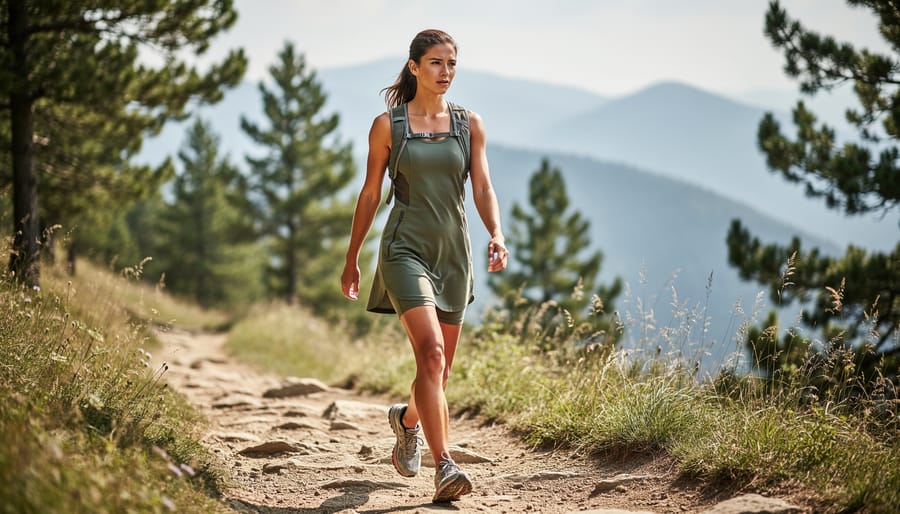
Hiking dresses aren’t just a fashion statement. They solve real problems that women face on the trail, which explains why they’ve moved from novelty item to serious hiking gear in recent years.
Airflow makes a measurable difference on warm-weather hikes. When you’re climbing uphill in summer heat, the ventilation around your legs keeps you cooler than pants or even shorts. That breeze factor isn’t minor, it can mean the difference between a comfortable hike and cutting your day short because you’re overheated.
The bathroom break advantage is one those practical benefits that experienced hikers talk about but beginners might not consider until they’re stuck in the backcountry. With a dress or skirt, you don’t have to completely undress or worry about your pants touching the ground. It’s faster, more dignified, and frankly just easier when you’re dealing with layers and a backpack.
Versatility gives hiking dresses an edge over traditional trail pants. You can drive to the trailhead, hike all morning, then grab lunch in town without feeling like you need to change clothes. That trail-to-town flexibility matters if hiking is part of your day rather than a full expedition requiring a wardrobe transition.
Treeline Review’s team tested hiking dresses throughout 2026 and confirmed what many women already knew: these aren’t gimmicks. After a year of putting various styles through real trail conditions, their testers understood why the hiking dress trend has staying power. The comfort and performance advantages show up mile after mile, not just in theory but in actual use on varied terrain and weather conditions.
Types of Hiking Dresses and Skirts Compared
Hiking dresses fall into three distinct categories, each designed for different trail conditions and personal preferences. Understanding the differences helps you pick the style that matches how and where you hike.
Hiking dresses are one-piece garments that typically fall above the knee and include built-in shorts or a liner underneath. They offer the most coverage and all-in-one convenience. You’ll find them with varying necklines, sleeve lengths, and built-in features like pockets and shorts. Dresses work best for warm-weather day hikes where you want maximum airflow and minimal fuss. They’re ideal when you’re hiking in the morning and want to grab lunch in town afterward without changing clothes.
Hiking skirts pair with whatever top you choose, giving you more flexibility to layer. Most come with attached shorts underneath or a built-in brief. They typically hit at the knee or just above, and you’ll see them in A-line, wrap, and straight cuts. Skirts shine on hot days when you want airflow but prefer to control your upper layers separately. They’re practical for shoulder-season hiking when you might start cool and warm up as the day goes on.
Skorts combine a skirt overlay with integrated shorts underneath. The shorts portion is more substantial than what you’d find in most hiking skirts, making skorts the most athletic option of the three. They offer the best range of motion for scrambling or technical terrain while maintaining the look and airflow of a skirt. If you’re tackling steep inclines, boulder hopping, or want something that performs closer to hiking shorts, skorts deliver.
| Type | Best Use Cases | Coverage Level | Key Features |
|---|---|---|---|
| Hiking Dress | Warm-weather day hikes, trail-to-town versatility | Full torso and legs (above knee) | Built-in shorts, all-in-one convenience, easy bathroom breaks |
| Hiking Skirt | Hot days with variable layering needs | Waist to knee or just above | Pairs with any top, attached shorts or brief, flexible layering |
| Skort | Technical trails, scrambling, athletic hiking | Waist to mid-thigh | Substantial built-in shorts, maximum range of motion, sporty fit |
Length matters more than you might think. Shorter styles offer better mobility and less fabric to manage, while longer options provide more sun protection and coverage. Consider your typical hiking terrain: if you’re walking maintained trails, any length works fine. For brush-heavy paths or off-trail exploring, you might want something that hits closer to the knee to protect your legs from scratches and ticks.
Key Factors When Buying a Hiking Dress
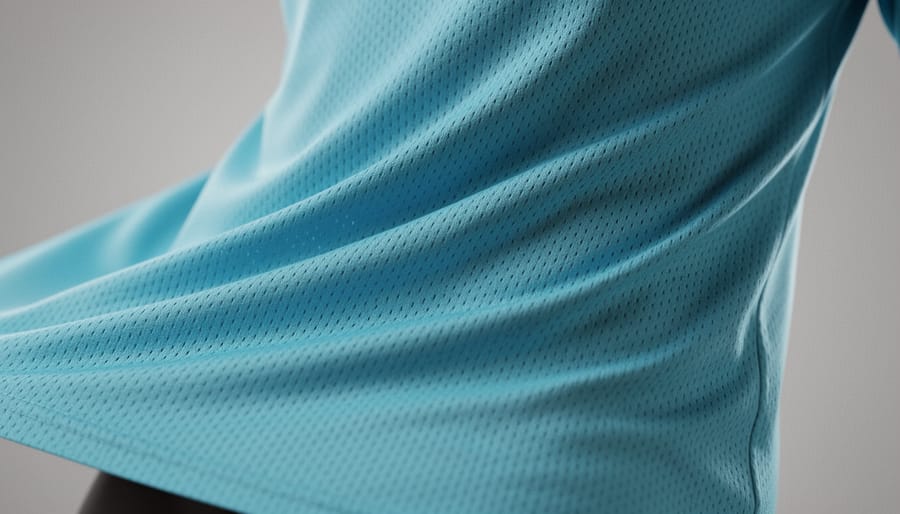
When you’re shopping for a hiking dress, fabric performance should be your first consideration. Look for moisture-wicking materials that pull sweat away from your skin rather than cotton, which stays damp and uncomfortable on the trail. Quick-dry fabrics matter most on longer hikes or multi-day trips where you need your dress to dry overnight. UPF sun protection built into the fabric adds another layer of defense against UV exposure, especially important if you’re hiking at higher elevations or in exposed terrain.
Fit and sizing deserve serious attention, particularly because outdoor brands have historically limited their size ranges. While traditional companies once stopped at size 10 or 12, the last decade has brought improvement, with sizes 14 and 16 becoming more common. Today, you can find hiking dresses up to size 22 and 3X, though availability varies by brand. When evaluating fit, consider whether the dress allows full range of motion for scrambling over rocks or climbing steep sections without riding up or restricting your stride.
Here’s what to prioritize as you compare options:
- Moisture-wicking fabric that keeps you dry during active hiking
- UPF sun protection rated 30+ for extended sun exposure
- At least two secure pockets for essentials like phone and trail snacks
- Built-in shorts or liner to prevent chafing and add coverage
- Stretchy or adjustable waistband for comfort during all-day wear
- Quick-dry material that won’t stay soggy after stream crossings
- Flattering cut that allows natural movement without excess fabric
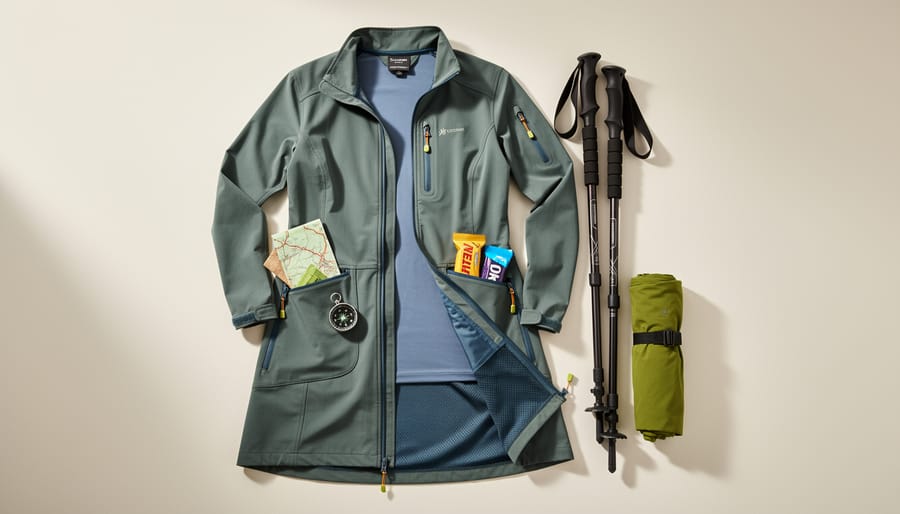
Pocket functionality separates truly trail-ready dresses from casual options. You need secure pockets that won’t dump your phone when you bend over to tie your boot. Look for zippered or deep pockets positioned where they won’t interfere with your pack’s hip belt. Some dresses offer five or more pockets, giving you options for organizing small gear without wearing a waist pack.
Length matters more than you might expect. Taller women often find standard lengths hit awkwardly mid-thigh, while shorter hikers may trip over hems designed for average heights. Built-in shorts or liners prevent chafing on long miles and give you confidence on exposed scrambles or windy ridgelines. Check whether the liner is sewn in or removable, and whether it has its own pocket for added storage.
Understanding Price Points and Value
Hiking dresses and skirts are available across three main price ranges, and understanding what each tier offers helps you spend wisely without overpaying for features you don’t need.
In the $20 to $49.99 range, you’ll find basic hiking skirts and dresses that cover the essentials. These options typically use simple synthetic fabrics with basic quick-dry properties, though they may not be as breathable or durable as pricier alternatives. Expect fewer pockets, simpler construction, and more limited sizing options. They work well if you’re testing out the hiking dress concept before committing to a bigger investment or you mostly stick to short, easy trails.
The $50 to $99.99 tier is where most women find the best balance between performance and price. Dresses and skirts in this range, like the Purple Rain Adventure Dress at $79.99, combine sporty performance with an easy, flattering fit. You’ll get better fabric technology with improved moisture-wicking and faster drying, thoughtful pocket placement, and often built-in shorts or liners. The construction quality jumps noticeably, with reinforced seams and details that hold up to regular trail use. This middle tier typically offers the widest variety of styles and sizing options, making it easier to find something that actually fits your body and hiking style.
At $100 to $199.99, you’re paying for premium fabrics with advanced technical features, extended sizing ranges including plus sizes up to 22 or 3X, and durability that stands up to serious backcountry use. These higher-end options often include UPF sun protection, multiple secure pockets, and refined fits that work for everything from day hikes to multi-day trips. If you hike frequently or tackle challenging trails, the investment pays off in comfort and longevity.
Kimmery Women’s Quick Dry Cargo Skirt with 5 Pockets High Waisted

The Kimmery Women’s Quick Dry Cargo Skirt delivers exactly what casual day hikers need: pockets, fast-drying fabric, and a comfortable high-waisted fit that stays put on the trail. With 199 customer reviews giving it a 4.3 out of 5 rating, this skirt has earned solid trust from hikers who value function over flash.
The five-pocket design sets this skirt apart from many hiking options. You get enough storage for your phone, keys, trail snacks, and a small water bottle without needing to strap on a hip pack for short hikes. The pockets are positioned so they don’t add bulk or create weird lumps when you’re moving, which matters when you’re scrambling over rocks or sitting down for a rest break.
Quick-dry performance means you won’t spend the rest of your hike in damp fabric after crossing a stream or getting caught in a summer rain shower. The fabric wicks moisture away from your skin and dries fast enough that you’ll barely notice it was wet. This feature also makes the skirt practical for multi-day trips where you might need to rinse it out at camp.
The high-waisted cut provides secure coverage without constant adjusting. You won’t deal with gaping or riding down when you bend over to tie your boots or reach up to grab a higher hold. The waistband sits comfortably without digging in, even when you’re wearing a hip belt with a day pack.
This skirt works best for casual day hikes, trail walks, and outdoor activities where you want comfort and convenience over technical performance. It’s currently in stock and represents a practical choice for hikers who want to try the hiking skirt trend without investing in premium outdoor brands. The combination of functional pockets, quick-dry fabric, and a flattering fit makes it a solid entry point for anyone curious about ditching pants on the trail.
Purple Rain Adventure Dress
Purple Rain has carved out a niche by creating hiking dresses that don’t force you to choose between performance and fit. Their Adventure Dress hits the sweet spot at $79.99, sitting firmly in that mid-range where you get real trail functionality without the premium price tag of technical outdoor brands.
What makes this dress stand out is how it balances sporty performance with an easy, flattering fit. Purple Rain designed it for women who want a dress that moves with them on the trail but doesn’t look overly athletic or technical. The cut gives you room to hike, scramble over rocks, and bend down to tie your boots without restriction, yet it maintains a shape that works for post-hike errands or lunch in town.
The brand’s approach focuses on versatility above all else. They understand that most hikers aren’t hauling a separate outfit for the drive home, which is why the Adventure Dress transitions seamlessly from trailhead to everyday life. You get the airflow and freedom of movement that makes dresses practical on hot days, paired with a design that feels put-together rather than purely athletic.
At under eighty dollars, this dress competes directly with mid-tier hiking pants but offers something those can’t match: the ability to skip the full clothing change after your hike. You’re not paying for cutting-edge fabric technology or ultralight weight, but you are getting a well-thought-out design that solves real trail problems. For women testing out the hiking dress trend without committing to a hundred-dollar investment, Purple Rain’s option delivers solid value and genuine trail comfort.
Treeline Review’s 2026 Roundup Insights
Treeline Review’s testing team spent a full year putting hiking dresses and skirts through real trail conditions, and their June 18th, 2026 roundup update reflects what they learned. The guide added three new dresses and skirts while cutting discontinued models, keeping the recommendations current and actually available to buy.
What stands out from their testing is how the team’s perspective shifted. They started skeptical and ended up genuinely convinced that hiking dresses solve real problems on the trail. Better airflow on hot days means less sweat-soaked fabric clinging to your legs. Bathroom breaks in the backcountry become quick and simple instead of an awkward struggle with layers. And the ability to walk straight from the trailhead into town without changing makes post-hike errands or meals far more convenient.
Their year of field testing covered different climates, trail types, and hiking styles. The team evaluated how dresses performed during steep climbs, how they handled moisture and quick-dry claims, and whether pockets actually stayed accessible with a pack on. They also paid attention to which models worked for different body types and activity levels, not just one ideal hiker.
The updated guide reflects these practical insights rather than just listing features. Treeline Review now gets why hiking dresses have moved from niche oddity to mainstream gear choice. For women tired of compromising between comfort and function, their testing confirms that well-designed hiking dresses deliver both. The roundup gives you a tested shortlist to start from instead of sorting through dozens of options blind.
Finding the Right Fit: Sizing Guidance for All Bodies
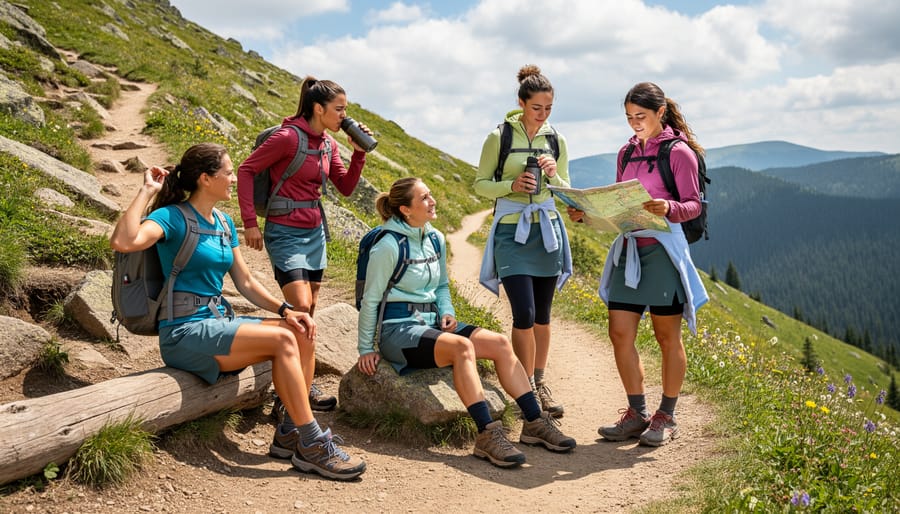
Finding the right hiking dress starts with understanding that sizing in outdoor wear has improved dramatically, but challenges remain. Traditional outdoor brands historically made women’s hiking clothes only up to size 10 or 12, leaving many women without functional trail options. The last decade has brought progress, with sizes 14 and 16 becoming more common, and now some brands offer hiking dresses up to size 22 and 3X.
When shopping, check each brand’s actual size chart rather than assuming standard sizing. Outdoor brands vary wildly in their fits, and a medium from one company might fit like a large from another. Look for brands that explicitly list extended sizing in their product descriptions and provide detailed measurements for bust, waist, and hip circumference.
Length matters as much as width. Taller women often find that standard hiking dresses hit awkwardly at mid-thigh instead of providing the coverage they want, while petite hikers may need to look for shorter inseam options to avoid excess fabric bunching. Some brands now offer tall and petite versions alongside regular lengths.
Pay attention to stretch and fabric composition. Dresses with four-way stretch accommodate a wider range of body types and movement patterns than rigid fabrics. Just as you would carefully choose rain gear that fits your body and hiking style, take time to find a dress that moves with you comfortably on the trail.
Common Mistakes to Avoid When Buying Your First Hiking Dress
The allure of a cute hiking dress can lead first-time buyers straight into frustration on the trail. Here’s what to watch for.
Picking Style Over Trail Performance
A dress that looks great in photos but uses cotton or non-technical fabric will leave you damp and uncomfortable on an actual hike. Prioritize moisture-wicking materials and quick-dry construction before aesthetics. If the product description doesn’t mention fabric tech or performance features, it’s probably designed for casual wear, not trail use.
Common First-Timer Pitfalls
- Skipping the moisture-wicking check, cotton dresses trap sweat and take hours to dry
- Buying without pockets, nowhere to stash your phone, keys, or trail snacks means constant fumbling with a pack
- Choosing too-short lengths for active hiking, mini dress styles ride up with every step and create awkward situations on steeper terrain
- Ignoring chafing potential, dresses without built-in shorts or liners can cause serious inner-thigh discomfort on longer hikes
- Not considering layering for variable weather, a dress that works perfectly in summer becomes impractical if you can’t layer it with leggings or tights when temperatures drop
Assuming One Size Approach Works
Brands cut hiking dresses differently, and what fits perfectly in one brand might run small or large in another. This matters especially if you’re shopping for plus sizes, where availability already varies widely. Read actual customer reviews about fit before ordering, and check whether the brand offers your size. Some companies still cap out at size 12, while others now extend to size 22 and 3X.
Forgetting About Seasonal Versatility
A hiking dress shouldn’t be a single-season investment. Consider whether you can adapt it across temperatures with our hiking layering guide approach, adding base layers and tights as conditions change.
Recommendations by Use Case
For hot-weather day hikes under $50: Look for lightweight hiking skirts in the $20-$49.99 range at REI that offer quick-dry fabrics and built-in shorts. These work well for local trails around Chesterfield where you’ll stay cool and comfortable without breaking the bank.
For multi-day trips or technical terrain: Invest in the $100-$199.99 range where you’ll find durable construction, superior moisture-wicking performance, and deep pockets that actually hold essentials like snacks and a device to charge your gadgets. The Kimmery cargo skirt’s 5-pocket design fits this need well.
For versatile trail-to-town wear: Purple Rain’s Adventure Dress at $79.99 hits the sweet spot, combining sporty performance with a flattering fit that doesn’t scream “hiking gear” when you stop for lunch after the trail.
For plus-size hikers: Prioritize brands offering sizes up to 22 and 3X rather than settling for ill-fitting options. Check each brand’s actual size chart since availability has improved significantly in recent years.
Frequently Asked Questions
Are hiking dresses warm enough for cooler weather?
Hiking dresses work well in cooler conditions when layered properly with leggings or thermal tights underneath and a warm base layer on top. Think of them as a versatile mid-layer that you can build around based on temperature and trail conditions.
What should I wear underneath a hiking dress?
Most hiking dresses come with built-in shorts or liners for coverage and chafe prevention. For added warmth or sun protection, layer with leggings, capris, or hiking tights depending on the season and your comfort level.
Do hiking dresses work for technical trails?
Yes, hiking dresses handle technical terrain well when they’re designed with proper performance fabrics and a secure fit. Choose shorter lengths for scrambling or steep climbs, and make sure the built-in shorts provide enough coverage and freedom of movement for challenging sections.
How do hiking dresses compare to pants for sun protection?
Hiking dresses paired with leggings or sun sleeves offer comparable sun protection to pants while providing better airflow on hot days. Look for UPF-rated fabrics in both the dress and any leg layers you add for maximum protection against harmful UV rays.
How should I care for my hiking dress?
Treat your hiking dress like any technical outdoor gear by washing in cold water, avoiding fabric softener which breaks down performance fabrics, and air-drying when possible to maintain the material’s moisture-wicking and quick-dry properties.
When you’re ready to test your new hiking dress on local trails, remember to brush up on wildlife safety tips before heading out. Chesterfield’s trails offer ideal conditions for breaking in your gear, whether you’re trying a dress for the first time or switching between styles for different seasons. The key is finding what works for your body, your hiking style, and the conditions you’ll face most often on the trail.
Hiking dresses aren’t just a fashion statement, they deliver real performance advantages on the trail. Whether you’re drawn to the improved airflow on hot days, the convenience of easier bathroom breaks in the backcountry, or the versatility of going from trailhead to town without changing, these garments solve practical problems that traditional hiking pants don’t address.
Your ideal hiking dress depends on where and how you hike. Consider your typical trail conditions, climate, and personal comfort preferences. A quick-dry fabric matters more in humid regions, while built-in shorts become essential on technical terrain. Don’t overlook practical details like pocket placement and length, they make the difference between a dress you reach for constantly and one that stays in your closet.
Chesterfield’s local trails offer the perfect testing ground for your new hiking dress. From gentle woodland paths to more challenging terrain, you’ll find routes that let you experience firsthand how these garments perform. Head out with confidence, knowing you’ve chosen gear that matches both your adventures and your needs.
In the interest of transparency, we earn a commission on some purchases made through links on this site. As an Amazon Associate I earn from qualifying purchases.