
The best winter hiking gear comes down to three things: boots that keep water out and grip on ice, a base layer that holds warmth against your skin, and pants that shrug off snow. Get those right and the rest is easy. Get them wrong and a gorgeous January trail becomes a long, cold walk back to the car.
In the interest of transparency, we earn a commission on some purchases made through links on this site. As an Amazon Associate I earn from qualifying purchases.
New England winters reward the prepared. Fresh snow muffles the woods around Chesterfield, frozen ponds glint through bare maples, and the crowds thin out so you can hear your own footsteps. But wet feet and a chilled core can end a day fast, which is why the buying decision matters before the first flakes fly.
This guide helps you choose with confidence. We’ll walk through the factors that count most, compare gear types side by side, and cover eight picks worth a look, including the NORTIV 8 Men’s Waterproof Hiking Winter Snow Boots the Columbia Men’s Fairbanks Mid Hiking Boots and the ANJOUFEMME Womens Hiking Snow Winter Boots. You’ll also find the common mistakes to dodge and a few local tips for hiking close to home.
Think of it as a friendly shortcut. You bring the sense of adventure, and we’ll help you show up warm, dry, and ready to enjoy every step.
What to Look For in Winter Hiking Gear: Key Buying Factors
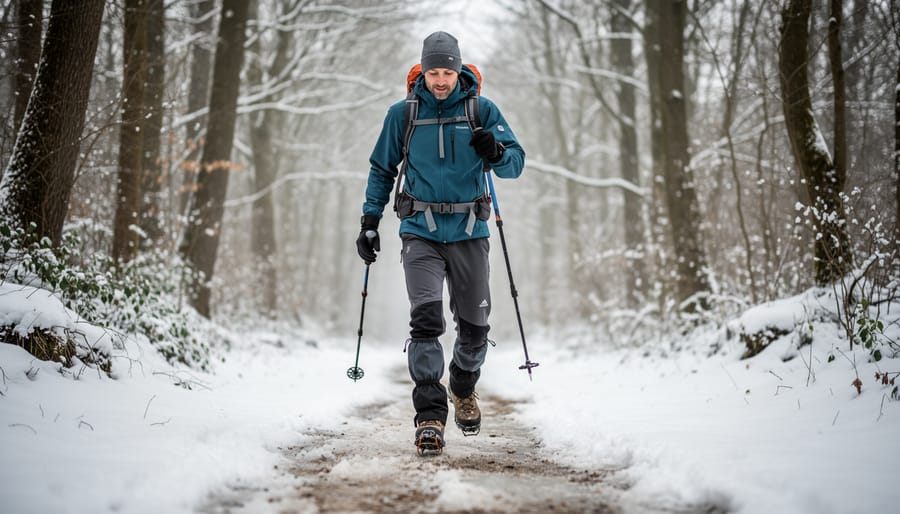
Waterproof Materials and Traction: Your First Line of Defense
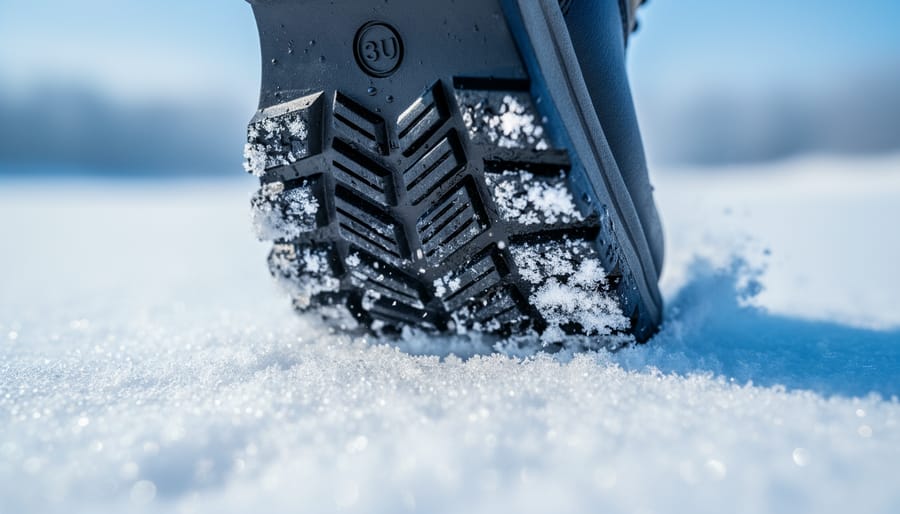
Wet feet get cold fast, and that’s why waterproofing comes before everything else in a winter boot. Water pulls heat away from your skin far quicker than air does, and soaked insulation stops doing its job. Researchers call this wet insulation loss and anyone who has slogged through slushy trail melt knows how quickly it sets in.
So look for waterproof construction first. A mid-cut hiker with thick waterproof nubuck leather, for instance, keeps meltwater and snow on the outside where it belongs. Cushioned, waterproof designs also make long days on crunchy snow a lot more comfortable.
Traction is the other half of the story. Packed snow, hidden ice and wet leaves can turn a friendly Chesterfield path into a skating rink. A grippy outsole with deep, chunky lugs bites into the ground and keeps you steady on climbs and descents. Columbia’s Newton Ridge boot, for example, is built around waterproof materials and superior traction for varied terrain.
Check both features before anything else. Warm socks and fancy layers can’t make up for a boot that leaks or slides.
Warmth, Comfort, and Cushioning for Long Days Out
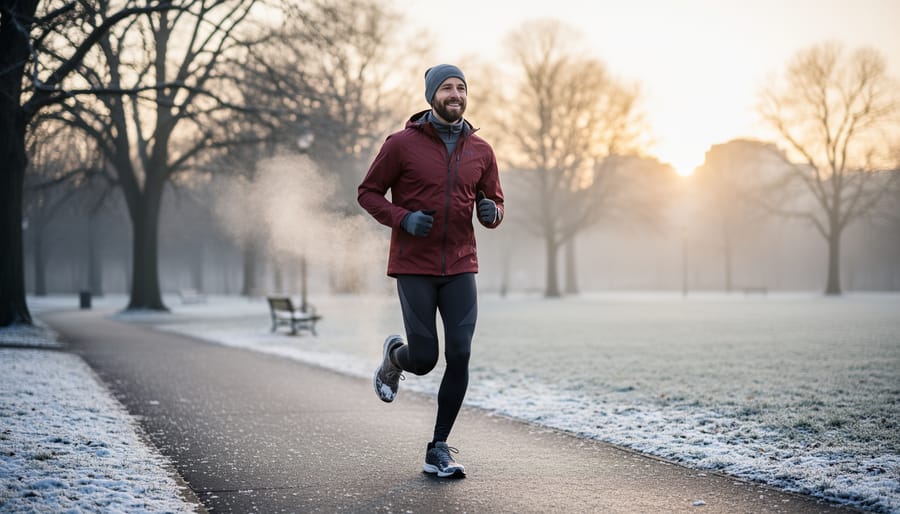
Warm feet and a comfortable stride are what keep a winter hike fun past the first mile. Start with insulation that traps heat without turning your boot into a brick, then add a cushioned midsole so every step over frozen ground feels a little kinder. Cushioning really pays off on long, crunchy-snow miles, when hard-packed trails can tire your feet faster than you’d expect.
Moisture matters just as much as warmth. Damp socks pull heat away fast, so a wicking layer against your skin keeps you drier and cozier. The same thinking applies to your whole body, which is why smart hiking layers work better than one big, bulky coat. If you want a head start on dressing for winter build from the skin outward and adjust as you warm up on the climbs.
For a handy cold-day boost, tuck in some HotHand Toe, Hand, & Body Warmers. They provide up to 10 hours of warmth, which covers a full morning on the trail and then some. They’re easy to slip into a pocket or glove, and they make a great little insurance policy when the temperature dips.
Boots, Layers, and Pants: Types of Winter Hiking Gear Compared
Think of winter hiking gear as a team. Each piece does one job, and the best results come when they work together. Here’s how the main categories stack up.
| Gear Type | Best Use | Waterproofing | Warmth Level | Key Consideration |
|---|---|---|---|---|
| Mid-cut waterproof hiking boots | Day hikes, slushy shoulder-season trails | High | Moderate | Ankle support on uneven ground |
| Insulated snow-style boots | Snowshoeing, deep-snow walks, family outings | High | High | Can feel bulkier on long climbs |
| Thermal base layers | Every winter outing | None | High, close to the skin | Avoid cotton, choose fleece-lined or wicking fabric |
| Insulated waterproof pants | Windy ridges, snowy trails, longer days | High | High | Check fit so you can still stride freely |
| Hand and toe warmers | Extra boost on the coldest days | Not applicable | Added heat on demand | Optional add-on, tuck a few in your pack |
Boots first. Mid-cut waterproof hiking boots, like those with thick waterproof nubuck leather, are a great all-rounder for day hikers and first-timers. They keep slush out and give your ankles a little extra support. If your plans lean toward deep snow, snowshoeing, or easy family walks, an insulated snow-style boot adds more warmth underfoot, though it may feel a touch heavier on steep stretches.
Layers and pants next. A thermal base layer is the quiet hero of any winter outing. It sits against your skin, holds in warmth, and helps manage sweat so you don’t get that damp chill when you stop for a breather. Insulated waterproof pants then guard your legs from wind and snow, which is where cold tends to creep in fastest.
Putting it together. The system works from the ground up: waterproof boots, a warm base layer, insulated pants, and a jacket on top. Each piece supports the others, so skimping on one can undo the rest.
Want a little extra insurance? HotHand Toe, Hand, & Body Warmers offer up to 10 hours of warmth. They’re optional, but they can make a crisp Chesterfield morning feel a lot friendlier.
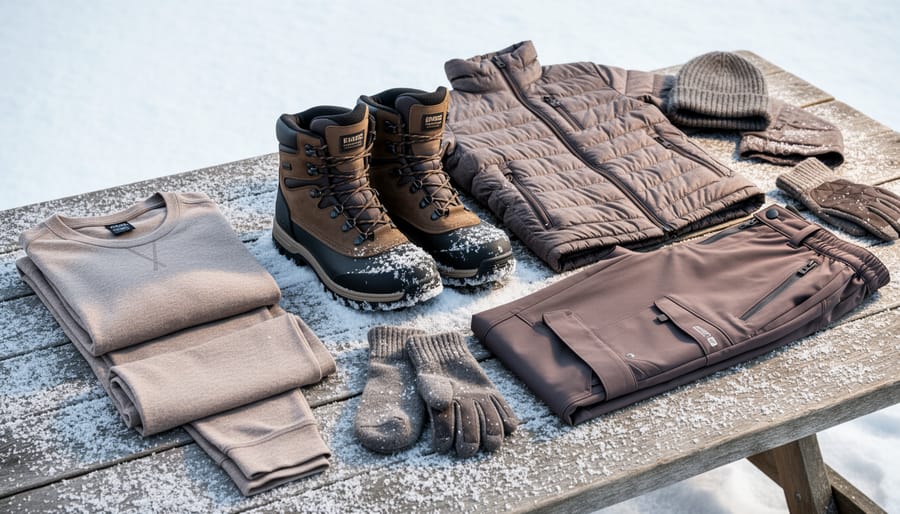
Our Top Picks: Winter Hiking Gear Worth a Look
Here’s the lineup we’ve pulled together for Chesterfield’s snowy trails. We grouped the eight picks to match how you’d actually dress for a winter hike: boots first, since your feet take the biggest beating in slush and ice, then the warm base layer and insulated pants that keep the rest of you comfortable.
Every rating you’ll see comes from customer reviews on the product listings, so think of them as a peek at what real hikers are saying rather than our own lab results. Some boots have thousands of reviews behind them, which tells you a lot about how they hold up out there.
As you read, picture your own trail plans. A gentle family loop through fresh snow calls for something different than a longer, slushier day on the trail. Match the gear to the adventure you’re dreaming up, and you’ll be set.
NORTIV 8 Men’s Waterproof Hiking Winter Snow Boots: A Crowd-Favorite Snow Boot

If you’re picturing a snow-day boot, the NORTIV 8 Men’s Waterproof Hiking Winter Snow Boot is a solid place to start. It’s built with winter in mind, and the numbers back up its reputation: 4.5 out of 5 from 13,979 customer ratings. That’s a lot of hikers weighing in, and it’s currently in stock.
Who’s it best for? Think day hikers, snowshoers, and families heading out on Chesterfield’s snowy trails, especially anyone who wants a boot that leans toward snow rather than rocky summer terrain. Waterproof construction matters most here, because wet feet cool down fast and ruin an otherwise great morning.
When you’re sizing up the fit, aim for room to wiggle your toes while keeping your heel snug. If you plan to wear thick winter socks, try them on with the boots, or at least keep that in mind when choosing a size. Sizing varies by brand, so check the listing’s sizing details before you order, and break the boots in on a short walk before a big outing.
On deep-snow days, a waterproof, winter-oriented design is what you want between your feet and the drifts. Pair these boots with a warm base layer and spare socks, and tuck in a HotHand warmer, which offers up to 10 hours of warmth, for the coldest stretches. Toes stay happier, and so do you.
Columbia Men’s Fairbanks Mid Hiking Boots: A Familiar Name for Cold-Weather Trails

If you want a boot from a name that’s been around outdoor trails for years, the Columbia Men’s Fairbanks Mid Hiking Boots deserve a look. They’ve earned a 4.4 out of 5 rating from 1,332 customer ratings, which tells you plenty of hikers have put them through real use.
The big draw here is familiarity. A trusted outdoor brand takes some of the guesswork out of buying, especially if you’re newer to cold-weather hiking and don’t want to wade through unfamiliar labels. You get a boot designed with trail use in mind, and it’s currently in stock.
Then there’s the mid-cut design. On a snowy Chesterfield path, the ground is rarely tidy. Frozen ruts, hidden roots under a dusting of snow, and slushy, uneven stretches can all test your ankles. A mid-cut boot rises above the ankle bone, giving you extra coverage and a steadier feel when the footing gets sketchy. It also helps keep snow from sneaking in over the top.
This boot suits the day hiker who sticks to wooded trails and shoulder-season outings, or anyone who wants a dependable, no-fuss pair for cold mornings. Since sizing and return terms vary by seller, check the listing’s fit details before you buy, and give the boots a short test walk around the neighborhood first.
ANJOUFEMME Womens Hiking Snow Winter Boots: Warm, Cozy Ankle Boots for Women

The ANJOUFEMME Womens Hiking Snow Winter Boots are the cozy pick on this list. They’re a waterproof ankle boot with a warm fur-style lining, and they carry a 4.5 out of 5 rating from 3,492 customer ratings. That’s a strong showing from a lot of real wearers.
What stands out is the balance. The waterproof, outdoor-ready design helps keep slush and snowmelt from soaking through, and the soft lining adds the kind of warmth you’ll notice the moment you step out on a frosty morning. Wet feet get cold fast, so that pairing matters more than it sounds.
These make the most sense for snowy neighborhood walks, easy trails, and cold-weather outings where comfort is the goal. Think a gentle loop on a crisp Chesterfield afternoon, followed by a warm drink. They’re pitched at backpacking and cycling too, but an ankle-height boot is happiest on moderate ground rather than deep-snow slogs, so match them to your plans.
A little cushioning goes a long way over crunchy, uneven snow, and a fur-style lining keeps things snug without extra bulk. Pair them with warm socks and a thermal base layer, and you’ve got a friendly setup for beginners.
One practical tip: sizing can vary from brand to brand, so check the sizing details on the listing before you order. If you’re between sizes, think about the socks you’ll wear on the trail, then try the boots at home on a warm-up walk before your first big outing.
Thermal Underwear for Men Long Johns Set Fleece Lined Winter Cold: Your Warm Base Layer

Think of a base layer as the foundation of your whole winter outfit. Everything else you wear sits on top of it, so if this layer is cold or clammy, nothing else can fully make up for it. That’s why a warm layer against your skin is the quiet secret to staying comfortable on a long, chilly day.
This fleece-lined long johns set earns a 4.6 out of 5 from 14,331 customer ratings, one of the strongest scores on our list, and it’s listed as in stock. Fleece lining is meant to trap warmth close to your body, which is exactly what you want when you’re standing at a trailhead at sunrise.
Here’s how it fits the system. Wear the thermal set against your skin, then add insulated, waterproof hiking pants over the legs and waterproof boots below. Each piece handles a different job: the base layer holds warmth, the pants block wind and snow, and the boots keep your feet dry.
The one thing to watch is overheating on climbs. A steep uphill can warm you up fast, and sweat is what makes you cold later. Start a little cool, unzip or shed your outer layer when you feel yourself heating up, and zip back up at the summit. A handy trick is to keep one lighter layer easy to reach in your pack so you can adjust quickly.
Timberland Men’s White Ledge Mid Waterproof Hiking Boots: A Heavily Reviewed Trail Staple

The Timberland White Ledge Mid is the boot with the biggest crowd behind it. It carries a 4.5 out of 5 rating from 67,958 customer ratings, the largest review base on our list. That many people weighing in doesn’t guarantee a perfect fit for you, but it does suggest a boot that has held up for a wide range of hikers in a wide range of conditions. Plenty of folks keep coming back to it, and that’s worth noticing.
Here’s where it shines for Chesterfield-style hiking: the waterproof construction. Late fall and early spring around here bring slush, puddles, and half-melted trail muck, and wet feet cool off fast. A waterproof mid-cut boot keeps that moisture out, while the higher cut gives your ankles a little extra support on rooty, uneven ground.
Think of it as a dependable shoulder-season workhorse. It suits day hikers, families heading out on familiar trails, and anyone who wants a proven name rather than a gamble. If your plans include deep, dry-powder days or truly frigid temperatures, you may want an insulated snow boot instead, or add warm socks and a hand-and-toe warmer to the mix.
One practical note: sizing can vary by brand, so check the listing’s sizing details before you buy, and try your boots on around the house first.
TBMPOY Men’s Snow Ski Fleece Lined Hiking Pants Waterproof Winter: Warm Legs Without the Bulk

Legs get cold faster than most hikers expect. They’re constantly moving through wind, brushing against snow, and often dressed in less than the upper body. A gust across an open ridge can cut right through ordinary trail pants, and damp fabric steals heat quickly.
That’s where the TBMPOY Men’s Snow Ski Fleece Lined Hiking Pants come in. They’re built as fleece-lined, waterproof, windproof insulated pants, which covers the three big threats on a winter day: cold, wet, and wind. Customers have given them a 4.5 out of 5 from 509 customer ratings, a solid sign of satisfaction.
The fleece lining adds warmth without the bulk of a heavy overpant, so you can still stride, step over logs, and climb without feeling like a snowman. Think of them as the outer piece of your layering system. A thermal base layer goes against your skin, and these pants shield you from the elements on top. If you’re building out your system, our guide to Chesterfield warmth walks through how the pieces work together.
These pants suit snowy walks, snowshoe outings, and cold-weather day hikes where wind and slush are likely. Since sizing and fit vary by brand, check the listing’s sizing details before you order. Then take them for a spin on some nearby trails to see how they feel.
Men’s Waterproof Hiking Boots Non-Slip Lightweight Mid Top Ankle Boot: Light on Your Feet

Not every winter outing calls for a heavy boot. This lightweight mid-top, rated 4.4 out of 5 from 1,680 customer ratings, is built around being waterproof, breathable and non-slip, which makes it a friendly pick for hikers who want to move quickly and keep their feet feeling light.
Who benefits most? Think fast day hikes, cool-weather loops and shoulder-season walks when the trail is more damp than deep with snow. A lighter boot means less fatigue over long miles, and the breathable build helps keep your feet from getting clammy on climbs. The mid-top cut gives your ankle a bit of support on uneven ground without feeling clunky.
Here’s the honest part: a lightweight boot isn’t the one to reach for on the coldest, deepest-snow days. When temperatures really drop, you’ll want more insulation, and a warmer sock layer or a toe warmer can help bridge the gap. HotHand Toe, Hand, & Body Warmers, for example, provide up to 10 hours of warmth, a handy add-on for chilly mornings.
Before you head out, pack your backpack with a spare pair of socks and a warm layer, and keep a severe weather plan in mind in case conditions turn. That way, a light boot stays a smart, nimble choice.
XPETI Men’s Thermator Mid-Rise Lightweight Hiking Insulated Non-Slip: Insulated Comfort for Chilly Miles

The XPETI Men’s Thermator Mid-Rise is built around a simple idea: stay warm without feeling like you’re hauling bricks. It’s an insulated, non-slip, lightweight mid-rise boot, and that mix is exactly what a lot of cold-weather hikers are hunting for. It carries a 4.4 out of 5 rating from 7,762 customer ratings, which is a sizable pool of feedback to lean on.
Here’s why the balance matters. Heavy winter boots can feel like a workout before you’ve even hit the trailhead, and by mile three your legs know it. A lighter boot keeps your stride easy, so you can enjoy a longer walk on those crisp Chesterfield mornings instead of counting steps back to the car. The insulation takes the edge off the chill, and the non-slip design gives you confidence on frosty ground.
The mid-rise cut sits comfortably above the ankle, which is handy for uneven, leaf-covered or lightly snowy paths. Pair it with a good wool or synthetic sock and a thermal base layer, and you’ve got a comfortable cold-weather setup.
This boot will suit day hikers, casual trail walkers, and anyone who values an easy, springy feel underfoot. Since sizing and fit can vary from brand to brand, take a moment to read the sizing details on the listing before you order.
Insider Tips for Winter Hiking Around Chesterfield
Here’s what the folks who hike Chesterfield all winter will tell you: it’s less about having the fanciest gear and more about putting it together smartly. Start from the feet up. Waterproof boots with good traction come first, then a warm base layer, then insulated pants and a jacket you can adjust as the day heats up or cools off. If your feet and legs stay comfortable, the whole outing feels easier.
Break in new boots before the first big hike. Wear them around the house, then on a few short walks, so you find any rubbing before you’re a mile from the car. Cushioned, waterproof boots are great, but only once they’ve learned your feet.
Pack a few small extras, too. HotHand Toe, Hand, & Body Warmers give up to 10 hours of warmth, which makes them a smart thing to toss in your pack, and a spare pair of dry socks can turn a soggy slog into a happy afternoon. Slushy shoulder-season days around here are real, so extra socks never go to waste.
When you’re picking where to go, think about what your gear is built for. Gentle, packed paths at a nearby state park suit lighter boots, while snowier, quieter trails call for your warmest setup. Before you head out, take a peek at local event listings for seasonal gatherings. Pairing a hike with a stop at a craft fair or local market is a lovely way to round out the day, and you’ll have earned that hot drink.
Common Winter Gear Mistakes to Avoid (and Easy Fixes)
Every winter hiker makes a few gear missteps. The good news? Each one has an easy fix.
Picking boots for looks. A stylish boot that isn’t waterproof will leave you with soggy, freezing feet fast. Fix it: look for waterproof construction, like the thick waterproof nubuck leather found on some mid-cut hikers, and a grippy outsole before you think about color.
Skipping the base layer. Heading out in just a jacket and jeans is a common first-timer move. Fix it: add a fleece-lined thermal layer against your skin. It’s the quiet hero of a comfortable day out.
Wearing cotton. Cotton soaks up sweat and then holds the chill against you. Fix it: choose fleece or other moisture-friendly fabrics for socks and base layers, and pack a spare pair of socks just in case.
Buying without checking fit and returns. Sizing varies from brand to brand, and return and warranty terms vary by seller. Fix it: read each listing’s sizing details and return policy before you click buy, and leave room for a warm sock.
Skipping the trial run. Brand-new boots on a long trail can mean blisters by mile two. Fix it: wear them around the house and on a short local walk first.
Sort these out and your gear will work with you instead of against you, which means more time enjoying the crisp air and fewer cold, miserable miles.
Recommendations by Use Case
If you’re a first-timer planning easy snowy walks, start with a waterproof boot, like the NORTIV 8 or ANJOUFEMME ankle boots, and add a pack of HotHand warmers, which give up to 10 hours of warmth. That’s a simple, welcoming setup for gentle Chesterfield loops.
For longer day hikes over uneven, slushy ground, a mid-cut waterproof boot such as the Timberland White Ledge or Columbia Fairbanks gives you extra ankle support. Pair it with a fleece-lined thermal base layer so you stay cozy on climbs without overheating.
Hiking fast on cool days? The lightweight mid-top and XPETI insulated options keep your feet light and your pace up. If wind bites your legs, insulated waterproof pants like the TBMPOY pair are worth a look.
If you’re watching your budget, put your money in the boots and base layer first. Warm, dry feet matter most, and you can build the rest of your kit over time.
Winter Hiking Gear FAQs
Heading out into the cold for the first time brings up a lot of questions, and that’s completely normal. Here are quick, friendly answers to the ones beginners ask most.
What should I wear for winter hiking?
Think in layers: a warm base layer against your skin, an insulated middle layer, and a waterproof, windproof outer layer. Layers let you peel off a piece when a climb warms you up and add it back when you stop.
Are waterproof boots necessary?
For snow, slush, and icy puddles, they’re a big comfort win, because wet feet cool down fast. Look for waterproof construction, like thick waterproof nubuck leather, and grippy traction for slippery ground.
How do I keep my feet warm on the trail?
Start with dry, waterproof boots and warm, moisture-friendly socks, and pack a spare pair in case yours get damp. Cushioned boots also help on long, crunchy-snow miles, and a toe warmer is a handy extra for really cold days.
How long do hand and toe warmers last?
HotHand Toe, Hand, & Body Warmers provide up to 10 hours of warmth, which covers most day hikes. Toss a couple in your pack and you’re set.
Do you need special pants? You don’t have to buy a fancy pair for every outing, but pants that block wind and shed moisture make a real difference when the snow is deep or the breeze picks up. Fleece-lined, waterproof options are a popular choice for cold days. Just pair them with a good base layer underneath so your legs stay comfortable without feeling bulky.
If you’re not sure where to start, begin with the footwear and the layers closest to your skin, then add extras as you learn what your body likes. Every winter hiker started right where you are, and a short, easy trail is a great way to test your setup before a bigger adventure.
Picking the right winter hiking gear really comes down to a simple recipe: waterproof footing, warm layers you can adjust, and a trial run before the big day. Start from your feet and build upward, with grippy, waterproof boots, a snug base layer against your skin, and insulated pants when the wind kicks up. Tuck a few hand and toe warmers in your pack for those extra-chilly stretches.
Take your new boots on a short walk around the neighborhood first. A little practice means no surprises when you’re out on the trail.
The payoff is worth it. With the right gear, a cold, snowy day stops being something to endure and becomes something to savor: crisp air, quiet woods, and that peaceful crunch underfoot. So lace up, bundle up, and head out to explore Chesterfield’s snowy trails. Adventure is waiting just beyond the trailhead.