
In the grand tapestry of life, few relationships are as remarkable as the intricate dance of symbiosis. From the smallest microorganisms to the mightiest trees, nature’s partnerships have evolved over millions of years, creating connections that challenge our understanding of species boundaries. Imagine a world where coral reefs pulse with life thanks to microscopic algae, where giant clownfish find sanctuary in sea anemones, and where flowering plants flourish through their ancient pact with pollinators. This evolutionary journey of mutual dependence hasn’t just shaped individual species – it has fundamentally transformed our planet’s ecosystems. Today, as we unravel these complex relationships, we’re discovering that symbiosis isn’t just a biological curiosity; it’s a fundamental force that has driven evolution, sparked innovation in nature, and continues to hold solutions for some of humanity’s greatest challenges, from agriculture to medicine. Understanding how these partnerships evolved offers us a window into life’s remarkable ability to find strength through cooperation rather than competition.
Nature’s Perfect Dance: How Birds and Plants Help Each Other
The Ancient Partnership
For thousands of years, New England’s birds and plants have danced a delicate partnership that shaped our local landscapes. Early Native American records tell of chickadees and blue jays spreading pine and oak seeds across the forests, while hummingbirds faithfully visited cardinal flowers each summer. As European settlers arrived, they witnessed and documented how berry-producing shrubs thrived where birds nested, creating natural corridors of biodiversity.
This remarkable relationship continues today in our backyard gardens and woodland trails. Watch as goldfinches collect seeds from purple coneflowers, or observe how robins spread wild grape vines throughout the forest edges. Each spring, the return of migratory birds signals the blooming of specific native plants, a testament to their ancient timing developed over countless generations. These time-tested partnerships remind us that nature’s most successful relationships are built on mutual benefit and perfect timing.
Survival Through Cooperation
Birds and plants have developed remarkable partnerships over millions of years, creating a beautiful dance of mutual support. As native plants attract birds, they provide essential food sources through nectar, fruits, and seeds. In return, our feathered friends help plants thrive by dispersing seeds across vast distances and pollinating flowers during their feeding activities.
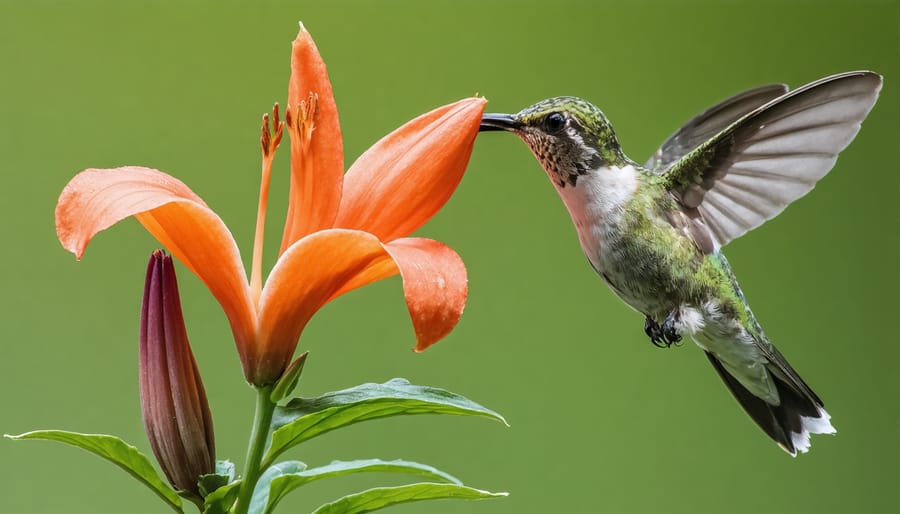
This partnership goes beyond just food. Birds use plants for shelter, building intricate nests in branches and thorny shrubs that protect their young from predators. Some species, like hummingbirds, have evolved specialized beaks that perfectly match the shape of certain flowers, while plants have developed bright colors and sweet nectars specifically to attract their winged partners.
Here in Chesterfield, you can witness these fascinating relationships in action, especially during spring when our local birds busily gather nesting materials and search for food among the blooming native vegetation.
Spot These Partnerships in Chesterfield
Spring Spectacles
As winter fades into spring, Chesterfield becomes a stage for one of nature’s most spectacular displays of symbiosis. Each year, ruby-throated hummingbirds time their northern migration perfectly with the blooming of native trumpet honeysuckle and cardinal flowers. These tiny aerial acrobats serve as essential pollinators, while the flowers provide crucial nectar to fuel their long journey.
The relationship goes beyond simple feeding – these birds and flowers have evolved together over thousands of years. The flowers’ vibrant reds and tubular shapes perfectly match the hummingbirds’ long beaks and color preferences, while other early spring visitors like chickadees and warblers form their own special bonds with different flowering species.
Local naturalist Sarah Thompson shares, “By mid-April, you can watch this amazing partnership unfold at the Chesterfield Gorge Natural Area. The early morning hours offer the best viewing opportunities, especially along the wildflower trails.”
Butterflies join this spring ballet too, with monarchs arriving just as the milkweed begins to flower. These delicate dancers help pollinate dozens of plant species while gathering nectar, creating an interconnected web of life that maintains our local ecosystem’s health.
For the best experience, bring binoculars and visit between 6-9 AM when the birds are most active. The Nature Center offers guided “Dawn Chorus” walks every Saturday in April and May, where you can learn to identify these fascinating partnerships in action.
Summer and Fall Relationships
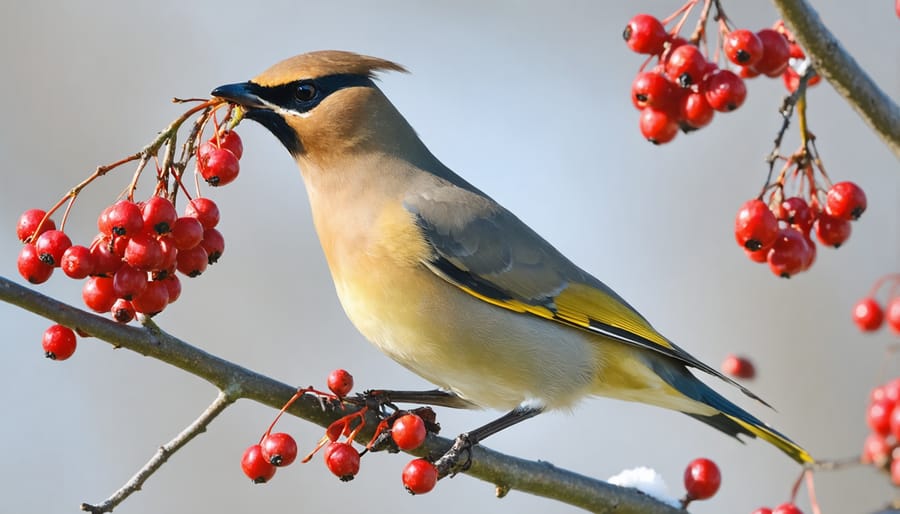
As summer transitions into fall, a remarkable partnership unfolds in our local woodlands between berry-producing plants and their feathered friends. These relationships showcase nature’s brilliant design, where both parties benefit from their seasonal collaboration. Birds feast on the abundant berries, while plants ensure their seeds are dispersed far and wide through the birds’ droppings.
Watch for the vibrant partnership between robins and winterberry holly, or the special bond between cedar waxwings and serviceberry trees. These birds have evolved to digest the berries without harming the seeds, and many species time their migration patterns to coincide with peak berry production. The bright colors of ripening fruits – from the deep purple of elderberries to the scarlet clusters of mountain ash – serve as natural beacons, attracting birds from miles around.
This symbiotic relationship has developed over thousands of years, with some plants even producing berries with specific nutritional content that perfectly matches their avian partners’ needs. For example, dogwood berries are particularly high in fat, providing essential energy for migrating birds during their long journeys south.
You can observe these fascinating interactions right here in Chesterfield, especially along woodland edges and in open meadows where berry-producing shrubs thrive. Early morning and late afternoon offer the best viewing opportunities when birds are most active in their foraging.
Where to Watch These Natural Partnerships
Trail Recommendations
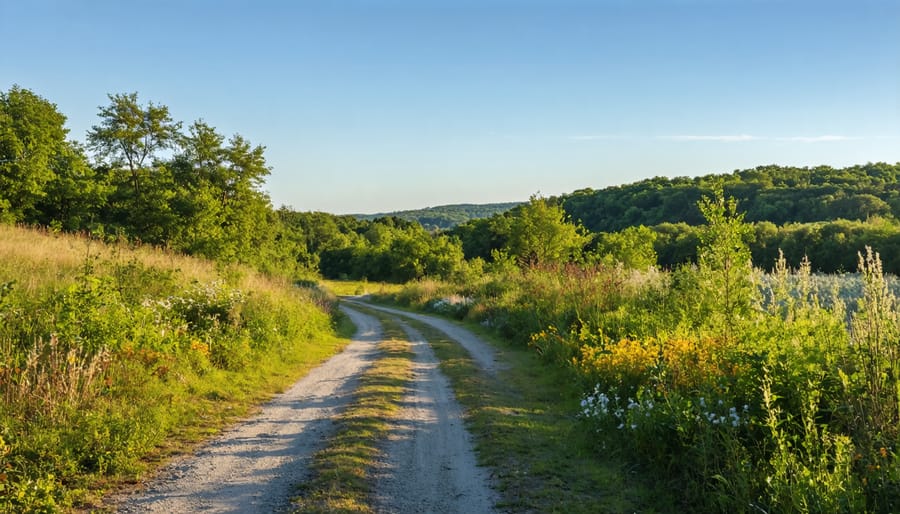
For an unforgettable symbiosis-spotting adventure, head to the Madame Sherri Forest Trail, where you’ll discover fascinating partnerships between native fungi and tree species. This moderate 2-mile loop offers some of the best bird watching locations while showcasing remarkable examples of lichen colonies on exposed rock faces.
The Spofford Lake Trail provides excellent opportunities to observe water-based symbiotic relationships, particularly during early morning hours. Look for great blue herons feeding alongside smaller birds in a beautiful display of cleaning symbiosis.
Don’t miss the Wild Brook Trail, especially during spring and summer months. This gentle 1.5-mile path features numerous nurse logs supporting new tree growth, and keen observers might spot fascinating partnerships between native orchids and their fungal allies.
For families with young children, the Nature Discovery Loop at Chesterfield State Park offers educational signage explaining common symbiotic relationships, with plenty of real-world examples visible along its accessible half-mile path.
Best Times and Seasons
The dance of symbiotic relationships in nature follows the rhythm of seasons, offering unique observation opportunities throughout the year. Spring and early summer present the most dynamic displays, as flowering plants attract their pollinators and nesting birds establish partnerships with local flora. Dawn and dusk are particularly magical times, when many symbiotic interactions are at their peak.
For the best viewing experiences, plan your observations during the warmer months between April and September. Early morning hours, especially just after sunrise, offer excellent opportunities to witness birds feeding on nectar while pollinating flowers. The golden hour before sunset is perfect for spotting symbiotic relationships between plants and their nocturnal partners, such as moths and bats.
Rainy days shouldn’t be overlooked – they’re prime times to observe fascinating partnerships between fungi and tree roots, particularly in forest areas. During autumn, you can witness seed dispersal relationships in action as birds and mammals help spread fruits and seeds. Winter reveals different aspects of symbiosis, such as the protective relationships between evergreen trees and overwintering birds.
Photography Tips for Capturing These Moments
When it comes to capturing wildlife photography of symbiotic relationships, patience and preparation are your best friends. Start by setting up your gear before sunrise when birds are most active. A telephoto lens (300mm or longer) will help you get close-up shots without disturbing the natural interactions.
Choose a comfortable spot near flowering plants or fruit-bearing trees, and remember to wear earth-toned clothing to blend in with your surroundings. Setting up a portable blind can help you remain unnoticed while getting those perfect shots.
For the best results, use a fast shutter speed (at least 1/1000th of a second) to freeze the motion of birds in flight. Keep your ISO setting as low as possible while maintaining a proper exposure, and shoot in burst mode to capture quick movements.
Consider the background when composing your shots – a blurred, natural backdrop will make your subjects stand out beautifully. Early morning and late afternoon light creates a warm, golden glow that can transform your images from good to spectacular.
Don’t forget to document the complete interaction: capture wide shots showing the entire plant-bird relationship, then zoom in for intimate details like a bird’s tongue reaching into a flower or carefully selecting berries. These detail shots help tell the complete story of these fascinating partnerships.
Remember to stay quiet and still, and always prioritize the well-being of your subjects over getting the perfect shot. Sometimes the most magical moments happen when you simply observe and wait for nature’s story to unfold before your lens.
Understanding and appreciating the intricate dance of symbiotic relationships in nature opens our eyes to the remarkable interconnectedness of all living things. These partnerships, whether between birds and plants, insects and flowers, or fungi and trees, showcase nature’s incredible ability to create mutually beneficial solutions that have evolved over millions of years.
By observing these relationships in our local environment, we gain a deeper appreciation for the delicate balance that keeps our ecosystems thriving. Every pollinated flower, every seed dispersed by a bird, and every nutrient exchange between organisms contributes to the continued health and diversity of our natural world.
As we face growing environmental challenges, these symbiotic partnerships remind us of the importance of preservation and conservation. They teach us valuable lessons about cooperation, adaptation, and the power of working together. Whether you’re a casual nature observer or a dedicated naturalist, taking time to notice and learn about these relationships can enrich your outdoor experiences and deepen your connection to the natural world around you.
Remember, every time you spot a hummingbird visiting a flower or notice lichen growing on a tree, you’re witnessing the beautiful results of evolution’s most successful partnerships.