
Filter water through multiple layers before drinking by using physical barriers like bandanas or coffee filters to remove sediment and debris, then following up with chemical treatment or boiling. Combine this with boiling for at least one minute at lower elevations, or three minutes above 6,500 feet, to eliminate bacteria, viruses, and parasites that cause waterborne illnesses.
Choose UV light purifiers for crystal-clear mountain streams and lakes where you need fast results without altering water taste, typically treating a liter in just 90 seconds. These battery-powered devices work exceptionally well in Chesterfield’s pristine backcountry lakes but require pre-filtering in murky water sources.
Pack chemical tablets containing chlorine dioxide or iodine as your lightweight backup option, especially effective for multi-day trips where weight matters. Wait the full 30 minutes before drinking, and remember that cold water temperatures common in New Hampshire’s streams require extended treatment times.
Invest in pump or squeeze filters with 0.2-micron pores for reliable mechanical filtration that removes protozoa and bacteria while allowing you to process large volumes quickly. These tools shine during family camping trips at Spofford Lake or extended backpacking adventures where groups need substantial clean water supplies.
Master these purification methods as part of your essential outdoor skills to ensure every wilderness adventure remains safe and enjoyable. Understanding when to deploy each technology based on water source clarity, elevation, group size, and available time transforms potentially dangerous situations into manageable challenges that keep your focus on exploring Chesterfield’s remarkable trails and waterways.
Why Water Purification Matters in the Chesterfield Backcountry
Picture this: you’ve just completed an exhilarating hike along one of Chesterfield’s beautiful trails, and you’re parched. A crystal-clear stream gurgles invitingly beside the path, looking absolutely pristine. It’s tempting to cup your hands and take a refreshing drink, right? Not so fast.
Even the most sparkling mountain streams in New Hampshire can harbor invisible threats that could quickly turn your outdoor adventure into a miserable experience. Giardia and Cryptosporidium are two of the most common culprits in our region’s waterways, causing severe gastrointestinal distress that can last for weeks. These microscopic parasites don’t discriminate between remote wilderness streams and popular recreation spots.
According to local outdoor educator Sarah Mitchell, who’s been leading wilderness safety courses in the Monadnock region for over fifteen years, “Many people assume that because we’re in relatively pristine New Hampshire wilderness, our water is automatically safe. The reality is that wildlife like beavers, deer, and even birds can contaminate water sources with pathogens. I’ve seen experienced hikers get caught off guard.”
Beyond parasites, bacteria like E. coli and viruses can also lurk in local water sources, particularly during spring runoff or after heavy rains when surface contamination washes into streams and lakes. Even Chesterfield’s scenic Spofford Lake, while beautiful for kayaking and fishing, requires proper water treatment if you’re planning to drink from it during your camping trips.
The good news? With the right water purification knowledge and equipment, you can safely enjoy every drop of water you encounter on your Chesterfield adventures. Being prepared means you can explore confidently, knowing you have access to safe drinking water wherever your journey takes you.
Finding Safe Water Sources in the Wilderness
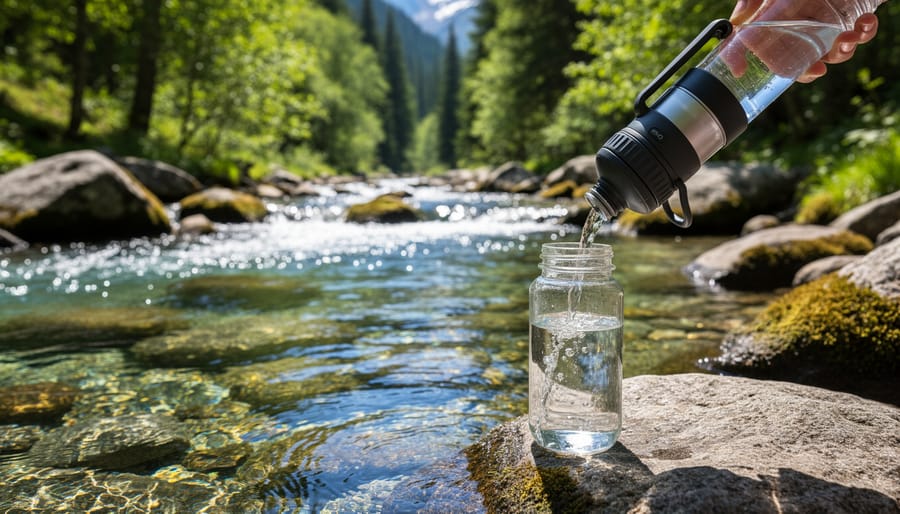
When you’re exploring the beautiful trails and waterways around Chesterfield, knowing where to find safe water sources can transform your outdoor adventure from stressful to spectacular. The first rule? Always look for moving water. Streams and rivers that flow briskly are your best friends in the wilderness because they naturally filter out some contaminants and prevent stagnation.
In Chesterfield’s terrain, you’ll find numerous brooks and streams cascading down from higher elevations, particularly near Pisgah State Park. These clear, cold-running waters are ideal starting points for purification. Look for sources upstream from trails, campsites, and any signs of human or livestock activity. The higher up you go, the better your chances of finding cleaner water.
Here’s an insider tip from local hiking guides: avoid water sources with visible algae blooms, murky coloring, or foam on the surface. These are red flags that suggest contamination. Steer clear of still ponds unless absolutely necessary, as stagnant water harbors more bacteria and parasites.
When approaching any water source, take a moment to observe your surroundings. Are there dead animals nearby? Animal droppings? Agricultural runoff channels? These warning signs mean you should keep searching for a better spot. Chesterfield’s pristine forests often provide multiple water source options, so don’t settle for questionable quality.
Remember, even the clearest, most pristine-looking mountain stream can contain invisible threats like Giardia or Cryptosporidium. That’s why the next step, proper purification, is absolutely essential for every outdoor enthusiast.
Boiling: The Time-Tested Method That Never Fails
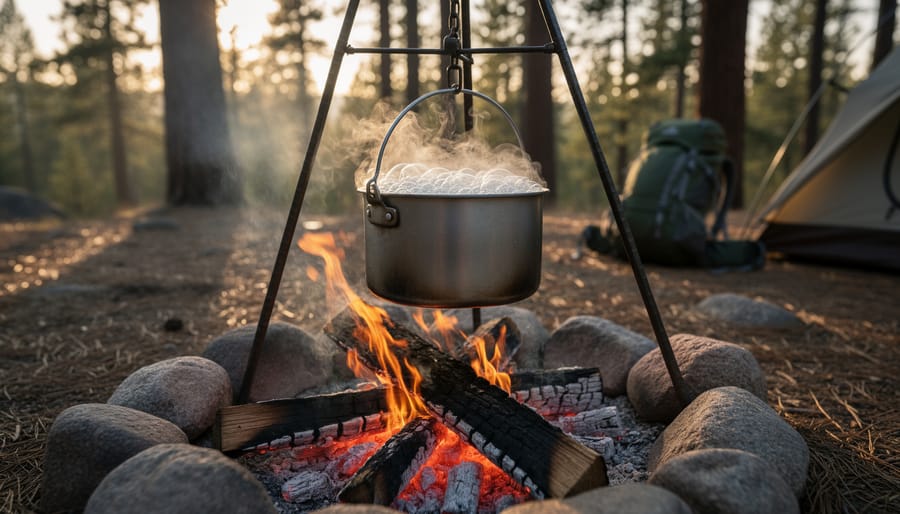
When you’re deep in the wilderness around Chesterfield’s stunning trails and your water filter breaks or you’ve run out of purification tablets, boiling water becomes your most dependable backup plan. This ancient method has one incredible advantage: it works every single time when done correctly, requiring nothing more than heat and a bit of patience.
The science is beautifully simple. Bringing water to a rolling boil kills virtually all pathogens, including bacteria, viruses, and parasites that might be lurking in that crystal-clear stream. At Chesterfield’s elevation, you’ll want to boil water for at least one minute to ensure it’s safe. If you’re planning adventures at higher elevations elsewhere, bump that up to three minutes above 6,500 feet, where water boils at lower temperatures.
Getting started is straightforward whether you’re using a campfire or camp stove. Let the water reach a vigorous, bubbling boil, not just gentle simmering. You’ll know it’s ready when large bubbles break continuously across the surface. Local expert ranger Tom Bradley recommends setting a timer on your phone since it’s easy to underestimate a minute when you’re tired and thirsty.
The main drawback? Boiling requires fuel and time, plus you’ll need to wait for the water to cool before drinking. It also won’t remove chemical pollutants or improve taste. But when you’re navigating Spofford Lake’s backcountry or exploring Bear Den Geological Park, knowing this foolproof method provides incredible peace of mind. Pack a lightweight metal container, and you’ll always have a purification system that won’t let you down.
Water Filters: Your Lightweight Trail Companion
Pump Filters for Base Camp Reliability
When you’re planning a family camping adventure around Chesterfield’s beautiful Spofford Lake or nearby Pisgah State Park, pump filters offer the perfect balance of reliability and ease of use. These time-tested workhorses physically push water through ceramic or pleated filter elements, removing bacteria, protozoa, and sediment down to 0.2 microns. Think of them as the dependable minivan of water purification—not flashy, but they get the job done for groups.
What makes pump filters shine at base camp is their ability to process large volumes quickly without batteries or chemicals. You can fill multiple water bottles in minutes, making them ideal for families or scout groups. Local outdoor expert Sarah Mitchell from Chesterfield’s outdoor club recommends pump filters for car camping trips where weight isn’t your primary concern.
Keep your pump performing at its peak with simple maintenance. Rinse the filter after each trip, and carry a spare filter cartridge for extended adventures. If you’re drawing from silty streams, pre-filter water through a bandana to extend your filter’s life. Store your pump completely dry to prevent mold growth between trips. Most filters include a field-cleaning brush—use it regularly to maintain flow rate and ensure every member of your camping crew stays hydrated and healthy.
Squeeze and Straw Filters for Fast-Paced Adventures
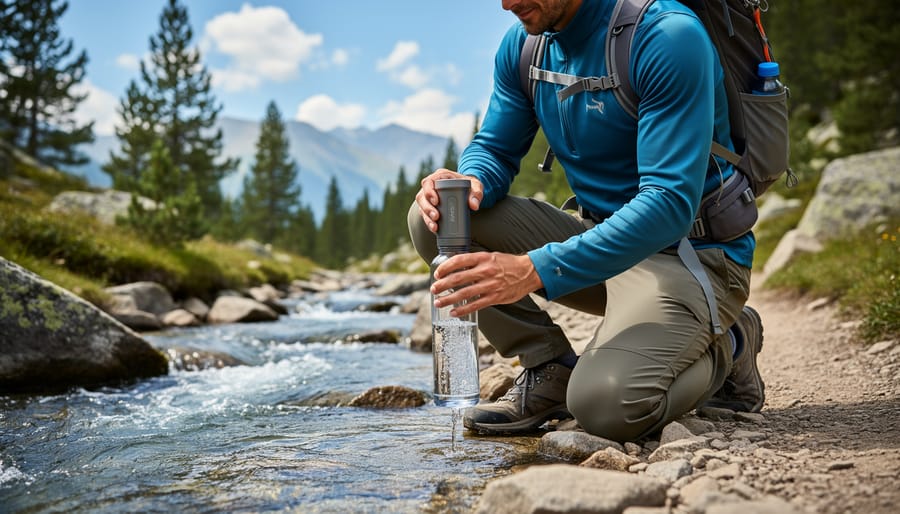
For trail enthusiasts who want to move fast and light, squeeze and straw filters are game-changers. These compact marvels weigh just ounces and fit easily into any pack, making them perfect companions for lightweight backpacking and day hikes around Chesterfield’s scenic trails.
Squeeze filters work by filling a collapsible pouch with water from streams or lakes, then literally squeezing the water through a filter into your bottle. Straw filters let you drink directly from water sources, though they’re best for quick hydration stops rather than filling containers. Both types effectively remove bacteria and protozoa, keeping you safe from the nasty stuff lurking in backcountry water.
Here’s a local tip from Chesterfield hikers: these filters shine on shorter trips but have limitations. They don’t remove viruses (rarely an issue in New Hampshire) or chemicals, and cold weather can damage the filter elements. Always carry backup purification tablets. Pre-filter murky water through a bandana to extend your filter’s lifespan, and remember to backflush regularly to maintain flow rate.
Chemical Treatment: Lightweight Backup Protection
When you’re deep in the woods exploring trails or setting up camp by a pristine stream, chemical purification tablets offer a lightweight, dependable safety net that takes up barely any space in your pack. Think of them as your insurance policy—small but mighty protectors that can save the day when your primary filter breaks or you need to purify larger quantities of water.
The two main players in chemical treatment are iodine and chlorine dioxide tablets. Chlorine dioxide tablets have become the go-to choice for most adventurers because they effectively tackle bacteria, viruses, and even stubborn parasites like Giardia and Cryptosporidium. Pop one tablet into a liter of water, wait about four hours for complete protection, and you’re good to go. If you’re dealing with warmer water, that wait time drops to around 30 minutes for most pathogens.
Here’s the reality check: patience is key. Unlike pumping or UV treatment that work quickly, chemical purification requires you to plan ahead. That means treating your water before you set up camp or during lunch breaks so it’s ready when you need it.
The taste factor is worth mentioning. Chlorine dioxide leaves a slightly medicinal flavor that some people find off-putting, though it’s far more palatable than iodine’s harsh bite. Pro tip from experienced hikers: adding a powdered drink mix after the treatment time completes can mask any lingering taste.
Chemical tablets shine as backup protection or for treating large quantities at base camp. They’re perfect for overnight trips when weight matters, and they’re incredibly affordable. Just remember they do have expiration dates, so check those dates before heading out on your adventure.
UV Light Purifiers: Modern Technology Meets the Trail
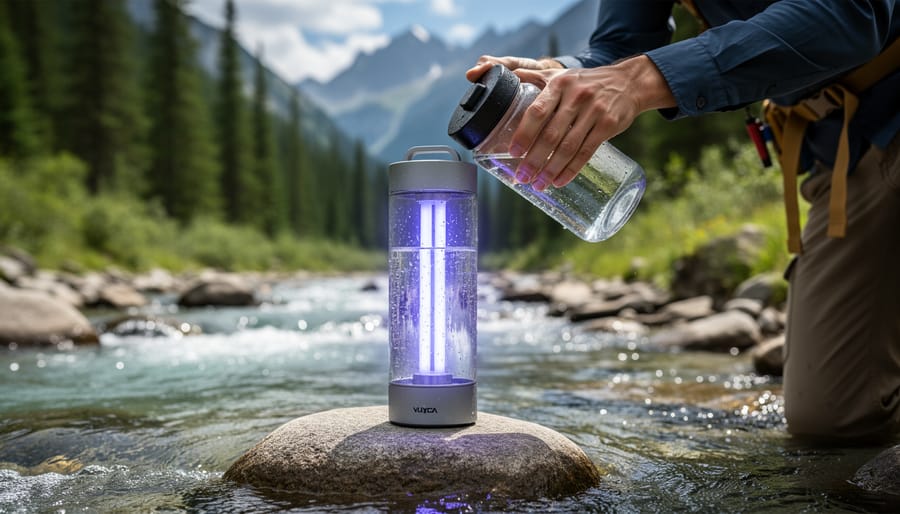
UV light purifiers represent one of the most innovative approaches to water treatment on the trail. These sleek devices use ultraviolet light to neutralize harmful microorganisms by scrambling their DNA, rendering them unable to reproduce and cause illness. Think of it as giving bacteria and viruses a knockout punch they can’t recover from.
The technology works best with clear water sources, which makes them particularly useful around Chesterfield’s pristine mountain streams and lakes. Simply insert the device into your water bottle, press the button, and swirl it around for about 60-90 seconds. The UV light does its magic, and you’re ready to drink. No waiting, no aftertaste, no chemicals.
The advantages are compelling: UV purifiers are incredibly fast, lightweight, and effective against viruses that some filters miss. They’re perfect for day hikes when you know you’ll encounter clear water sources. Local guide Sarah Martinez often recommends them for families exploring Pisgah State Park’s well-maintained trails.
However, battery life deserves careful consideration. Most devices treat 40-80 liters per charge, which works great for weekend trips but might leave you short on extended adventures. Always pack backup batteries or a solar charger for longer journeys.
The verdict? UV purifiers make an excellent addition to your gear collection, especially as a lightweight primary option or backup system. They shine brightest when you’re confident about finding clear water sources and can manage battery needs responsibly.
Emergency Purification: What to Do When You’re Caught Unprepared
We’ve all been there—you’ve planned the perfect day hike, but suddenly you’re miles from camp and your water bottle is empty. While prevention is always your best strategy, knowing emergency purification methods can be a genuine lifesaver during unexpected situations on the trail.
If you can build a fire, boiling remains your most reliable emergency option. Bring water to a rolling boil for at least one minute (three minutes above 6,500 feet elevation) to kill harmful organisms. Let it cool naturally or pour it between containers to improve the taste.
No pot? Get creative! A clean aluminum can with the top cut off works surprisingly well. Even birch bark can be carefully shaped into a temporary boiling vessel if you’re patient and keep flames low.
Solar purification offers another backup when you have time. Fill a clear plastic bottle and place it in direct sunlight for at least six hours. UV rays help eliminate pathogens, though this method works best on relatively clear water.
For filtering debris, layer natural materials in a container: gravel on bottom, then sand, then crushed charcoal from your fire. Pour water through slowly. Remember, this only removes visible particles and improves taste—it doesn’t kill all bacteria or viruses.
The golden rule? Always carry backup purification tablets in your first aid kit. They weigh practically nothing and provide peace of mind when other methods fail.
Choosing the Right Method for Your Chesterfield Adventure
Picture this: you’re standing at the trailhead of Spofford Lake, ready for adventure, but which water purification method should you bring? The answer depends entirely on your plans for the day.
For day hikers exploring Chesterfield’s shorter trails, lightweight filter bottles or tablets work beautifully. They’re easy to toss in your pack and won’t weigh you down during a quick three-hour trek around Wantastiquet Mountain. Local hiker Maria Chen swears by her filter bottle: “I can fill up at any stream and keep moving. It’s perfect for spontaneous adventures with my kids.”
Family camping trips call for something different. When you’re setting up base camp at Pisgah State Park with children, a gravity filter system becomes your best friend. It purifies large quantities hands-free while you’re busy pitching tents or starting the campfire. Plus, kids find it fascinating to watch the water drip through. These systems typically cost between forty and one hundred dollars but handle group needs efficiently.
Solo backpackers tackling multi-day journeys need to think about weight versus reliability. UV purifiers weigh just a few ounces and work incredibly fast, but they require batteries. Chemical tablets are featherlight backup options that seasoned backpacker Tom Williams always carries: “I keep iodine tablets in my emergency kit, even when I’m using my main filter. You never know when you’ll need a backup plan.”
Speed matters too. Tablets take thirty minutes, while UV purifiers work in ninety seconds. Filters fall somewhere between, usually taking a few minutes per liter. Consider your patience level and how quickly you need water during your Chesterfield adventures. The right choice makes all the difference between frustration and freedom on the trail.
Mastering water purification isn’t just another outdoor skill to check off your list—it’s your gateway to exploring Chesterfield’s pristine wilderness with genuine confidence and peace of mind. Whether you’re planning a weekend camping trip at Pisgah State Park or embarking on a day hike through our scenic trails, knowing how to turn natural water sources into safe drinking water opens up endless possibilities for adventure.
The good news? These techniques are simpler than you might think. From boiling methods passed down through generations to modern filter systems that work in seconds, you now have the knowledge to choose what works best for your unique outdoor excursions. Remember, the key to feeling confident on the trail is to practice before heading out. Set up your filter at home, test your purification tablets, time your boiling process—familiarity breeds confidence.
So pack your gear, choose your purification method, and get ready to experience everything Chesterfield’s beautiful landscapes have to offer. The streams, lakes, and hidden waterways are waiting for you. Adventure responsibly, stay hydrated safely, and create unforgettable memories in our remarkable New Hampshire wilderness.