
Maintaining responsible online-casino play while enjoying the camping lifestyle means applying the same discipline outdoors that you’d use managing screen time and spending limits at home. Set clear time boundaries for online entertainment (no more than 30 minutes after dinner, for instance), establish strict budget caps before you visit website platforms, and prioritize your outdoor activities first. Just as responsible campers plan their resources, pack out their trash, and respect fire bans, digital responsibility requires advance planning and self-imposed limits that protect both your wallet and your connection to nature.
The parallel between these two worlds is stronger than it first appears. Experienced campers know that preparation prevents problems: you wouldn’t head into the White Mountain backcountry without checking weather, packing essentials, and telling someone your itinerary. The same forethought applies to online entertainment. Before opening a casino app at your Chesterfield campsite, decide exactly how much time and money you’re willing to spend, then stick to those numbers as firmly as you’d stick to your water ration on a day hike.
This approach isn’t about eliminating recreation. It’s about making sure your camping trip stays centered on what brought you to the woods in the first place: fresh air, starlit skies, and the kind of rest that only comes from unplugging. When online entertainment becomes just one small, controlled element of your outdoor experience rather than a distraction from it, you’ve struck the right balance.
The Outdoor Mindset: Why Camping Teaches Natural Limits
Camping strips away modern conveniences and forces you to work within real constraints. You carry only what fits in your pack, you have the daylight hours you’re given, and you must make your water and food supplies last until you reach the next resupply point. These aren’t abstract concepts, they’re immediate physical realities that shape every decision you make on the trail.
This constant practice of working within limits builds a mindset that extends far beyond the wilderness. When you’re rationing your last liter of water on a hot afternoon hike near Spofford Lake, you learn viscerally what it means to respect boundaries and think ahead. You can’t simply decide you want more; you have to plan, budget your resources, and accept that some desires must wait.
The outdoors also teach you to recognize when enough is enough. Every experienced camper knows the feeling of pushing too far on a trail and realizing you’ve miscalculated your energy or daylight. That recognition, and the willingness to turn back or call it a day, becomes second nature. You learn to read your own limits honestly rather than pretending they don’t exist.
Time management becomes instinctive when you’re camping. You wake with the sun, you plan activities around weather and energy levels, and you know that setting up camp before dark isn’t optional. These natural rhythms create structure without feeling restrictive because they’re tied to real consequences and real rewards.
Resource awareness extends to everything: fuel for your stove, battery life on your headlamp, the mileage left in your boots. You become practiced at checking in with yourself, Do I have enough? Am I spending wisely? Should I save this for later? These questions become habit, a mental discipline that serves you whether you’re planning your next wilderness adventure or managing your evening downtime at camp.
Setting Boundaries Before You Leave Home
Time Limits That Work Around Camp Life
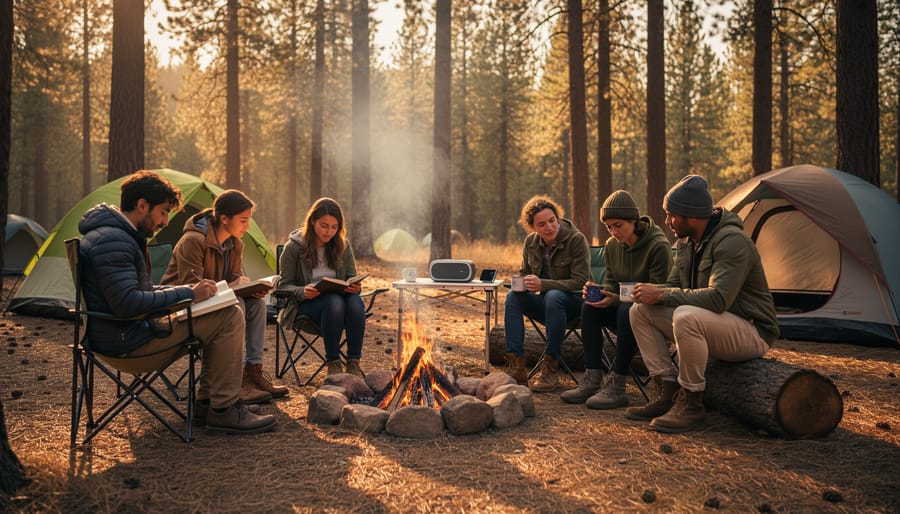
The rhythm of camp life creates natural bookends for every activity. Plan your entertainment windows around the moments when you’re genuinely settled, after dinner dishes are clean, when the campfire’s crackling, or during the afternoon lull when it’s too hot to hike but too early to start dinner prep.
A practical approach: limit screen time to 30-60 minutes once your camp chores are done and before the evening’s main activities begin. Some campers set a “sunset rule”, no screens once the sun touches the horizon, preserving those magical golden hours for conversation, stargazing, or watching the fire. Others prefer the post-lunch quiet time when the midday heat keeps everyone at camp anyway.
Use your phone’s timer or alarm to mark the end of your entertainment window. When it goes off, close the app immediately. No “just one more hand” thinking, that’s how minutes turn into hours you’ll never get back.
The camping day itself provides built-in structure: sunrise hikes, meal preparation, afternoon fishing, equipment maintenance, sunset photography. These anchors make it easier to keep entertainment contained to genuine downtime rather than letting it creep into active outdoor hours.
If you find yourself staying up past midnight on your phone when you planned an early morning hike, something’s off. Adjust your limits the next night.
Budget Planning: Camping Expenses Come First
Before you head out to Chesterfield’s beautiful camping areas, establish a clear financial hierarchy: your camping essentials always come first. Set aside money for campsite fees, quality gear, sufficient food supplies, and a safety cushion for unexpected needs before allocating anything to entertainment budgets. When you plan your campsite you’re making a financial commitment to the outdoor experience that should never be jeopardized by discretionary spending.
Think of your entertainment budget the way you’d approach packing camping luxuries versus necessities. Just as you wouldn’t sacrifice your water filter or first aid kit to bring extra comfort items, don’t compromise essential camping funds for downtime activities. A practical approach is to separate your trip budget into distinct categories: campsite costs, food and water, gear maintenance, emergency reserves, and finally a modest entertainment allowance that exists only after the first four are fully funded.
Consider using the envelope method, either physically or through banking apps, to literally separate these funds before you leave home. This tangible boundary makes it impossible to accidentally dip into your camping money during a moment of poor judgment. If you find yourself tempted to shift money between categories, that’s a clear signal that your entertainment budget is set too high or that you haven’t adequately planned for your outdoor needs. The camping trip itself is the investment worth protecting.
Recognizing When the Wilderness Is Calling
The best camping trips happen when you’re fully immersed in the experience, not scrolling through your phone while the sunset paints the sky behind you. If you notice yourself reaching for your device instead of watching the campfire, or checking your screen when birdsong fills the morning air, the wilderness is sending you a clear signal.
Your body knows when you’re disconnected from nature. That restless feeling when you’ve been indoors too long appears at camp when you spend too much time staring at a glowing screen. If you feel anxious, distracted, or like you’re wasting precious daylight hours, trust that instinct. The outdoors has a rhythm, sunrise energy, golden afternoon light, the settling calm of dusk, and when you’re truly present, you naturally sync with it.
Pay attention to what you’re missing. Are you sitting in your tent during prime hiking hours? Did you miss the deer walking past because you were focused on your phone? Have you gone an entire evening without really looking at the stars? These moments don’t come back. The loon calling across the lake, the perfect reflection on still water at dawn, the unexpected wildlife encounter, they happen now or not at all.
Watch for isolation from your camping companions too. If friends or family are gathered around the fire sharing stories while you’re alone with a screen, you’re choosing a virtual experience over real connection. The laughter, the shared adventures, the inside jokes that form around a campsite, these create the memories that last long after the trip ends.
Notice physical signs as well. Tight shoulders from hunching over a device, tired eyes from screen glare, or feeling sluggish despite fresh air all around you indicate you’ve spent too long disconnected from your surroundings. Camping should leave you feeling recharged and alive, not drained.
When doubt creeps in, ask yourself this: Would I drive hours to this beautiful spot just to sit inside and stare at a screen? The answer reveals your priorities. The wilderness waits for no one, and every minute spent looking down is a minute you’re not looking around at why you came here in the first place.

Smart Connectivity Practices in Chesterfield’s Camping Areas
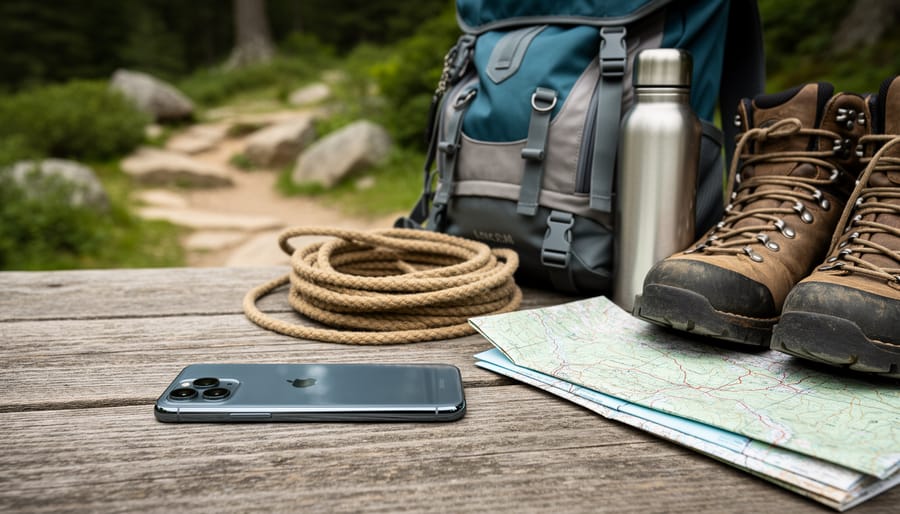
Chesterfield’s camping areas offer a mixed bag when it comes to cell service, and that’s actually one of their greatest advantages. Many spots around Spofford Lake and the more remote sections near Pisgah State Park experience spotty or nonexistent coverage, particularly once you venture away from Route 9 and into the deeper woodlands.
This natural limitation creates a built-in buffer against excessive screen time. When you can’t reliably load a game or maintain a steady connection, the choice gets made for you. Instead of fighting against willpower alone, the environment itself encourages you to look up from your device and notice the loon calling across the water or the stars emerging overhead.
Some campers find they’ll get a few bars near their campsite but lose signal entirely on the trail or by the shoreline. Use this to your advantage. If you’ve planned some entertainment time for the evening, check your connectivity first. If it’s weak or unreliable, consider that a natural boundary, the outdoors telling you it’s time to focus on the campfire instead.
For those who need occasional connectivity, the areas closer to town and established campgrounds like those near Spofford Lake typically offer more consistent service. Even here, though, connection quality varies with weather and tree cover. Rather than seeing this as frustrating, treat it as the wilderness doing what it does best: pulling you away from screens and back into the present moment.
When you do have signal, be intentional. Set specific times to check in, handle what you need to handle, then put the phone away. Let Chesterfield’s natural disconnection work in your favor.
Tools and Resources for Responsible Play
Just as you pack the right gear for a safe camping trip, smart online entertainment requires its own toolkit. Modern platforms offer built-in features designed to help you stay in control, and knowing how to use them can make all the difference between mindful relaxation and losing track of time or money.
Most reputable sites let you set deposit limits before you even start, daily, weekly, or monthly caps that lock in automatically. Think of these like rationing your trail mix: you decide in advance how much you’ll consume, and once it’s gone, that’s it until the next window. Reality checks are another useful feature, sending timed reminders that show how long you’ve been engaged and prompt you to decide whether to continue or step away. These interruptions mirror the natural check-ins you do while hiking, pausing to drink water, assess your energy, and confirm you’re still on track.
Session timers function like the alarm on your camping watch, automatically logging you out after your pre-set limit expires. You can also activate cooling-off periods or self-exclusion options that temporarily or permanently block access, giving you breathing room if things feel off. Many platforms now include spending trackers that display your activity history in real time, showing patterns you might not notice otherwise.
Beyond what platforms provide, third-party apps can add another layer of protection. Screen-time management tools on your phone limit how long certain apps stay active, while financial budgeting apps help you track overall spending across categories. Since connectivity can be spotty at Chesterfield campgrounds, it’s smart to charge gadgets safely and prevent battery loss during your trip so your devices remain functional for navigation, weather updates, and emergencies, not just entertainment.
Having the right safeguards in place means you can enjoy downtime confidently, knowing you’ve already decided your limits and equipped yourself to stick with them.
When to Seek Support
Just as responsible campers know when to adjust their plans or seek help navigating challenging terrain, recognizing when entertainment habits need professional support is a sign of strength, not weakness. If you find yourself thinking about online casino games more than the trail ahead, dipping into camping funds to extend play, or feeling anxious when you can’t access entertainment sites, these are signals worth taking seriously.
The same principles that guide us to leave no trace in nature apply here: address concerns before they create lasting impact. You don’t need to wait until the problem feels overwhelming.
Many find that talking with a counselor who understands both outdoor lifestyles and behavioral health creates a comfortable starting point. Some treatment providers even incorporate outdoor therapy approaches that feel natural to camping enthusiasts. Local community mental health centers in the Monadnock region offer assessments and can connect you with appropriate resources.
Friends and family often notice changes before we do. If someone you care about seems distracted during camping trips, withdrawn from group activities, or stressed about finances, start a conversation with genuine concern rather than judgment. The outdoor community thrives on looking out for one another, whether that means helping someone navigate a difficult trail or supporting them through personal challenges.
Common Questions About Balancing Camping and Responsible Entertainment
Many outdoor enthusiasts wonder how to handle downtime responsibly while still making the most of their camping adventures. Here are answers to the questions we hear most often from campers planning trips to Chesterfield and beyond.
How much downtime is normal on a multi-day camping trip?
Most campers naturally spend 1-2 hours of quiet time in the evening after dinner and campfire activities, typically before bed. This window works well for reading, stargazing, or light entertainment without cutting into hiking, fishing, or social time around the fire.
What if my family wants to stay connected but I want an unplugged experience?
Establish group agreements before you leave home about device-free periods during meals, hikes, and campfire time. Many families designate specific “tech windows” after major activities are done, giving everyone freedom during personal downtime while protecting shared outdoor moments.
Should I bring entertainment options if cell service is spotty?
Limited connectivity often becomes a gift rather than a problem. It naturally restricts screen time and pushes you toward offline activities like card games, books, or conversation, which are often the most memorable parts of camping trips anyway.
How do I know if I’m spending too much time on entertainment versus enjoying nature?
If you’re checking your phone during sunrise, skipping hikes to stay at camp, or feeling irritated when activities pull you away from screens, those are clear signals to reset your priorities and reconnect with why you came outdoors in the first place.
The thread running through all these questions is balance. Camping trips thrive on flexibility and awareness, the same qualities that keep any form of entertainment in its proper place. Pay attention to what called you to the woods in the first place. If you drove to Chesterfield to see fall foliage or hear loons on Spofford Lake, those experiences deserve your full presence.
Think about the gear you pack for camping. You bring what you need, leave behind what you don’t, and you’re always prepared to adjust based on conditions. Apply that same thoughtful approach to how you spend your time at camp, and you’ll find the right rhythm naturally.
The lessons you learn around a campfire translate naturally to every aspect of life. Just as you wouldn’t push deeper into the wilderness without proper supplies or ignore weather warnings, applying that same thoughtful preparation to your downtime choices keeps you safe and balanced. Camping teaches you to recognize your limits, plan ahead, and know when to call it a day, wisdom that serves you whether you’re navigating a trail or managing how you spend your evening hours.
The discipline of packing out what you pack in, respecting quiet hours, and leaving no trace all reflect a deeper understanding: boundaries aren’t restrictions, they’re what make the experience sustainable and enjoyable. When you bring that camping mindset to all your activities, you protect what matters most, your wellbeing, your relationships, and your ability to return to the experiences that refresh you.
Chesterfield’s forests, lakes, and trails offer something screens never can: the grounding presence of living nature, the satisfaction of physical challenge, and the deep rest that comes from genuine disconnection. Every sunrise over Spofford Lake, every quiet moment watching mist lift from the trees, reminds you why you came outdoors in the first place.
So keep your priorities clear, set your boundaries firmly, and let the wilderness guide you toward balance. The mountains will always be here, calling you back to what’s real and lasting.